
Seoul is the vibrant and exciting capital of South Korea, which I called home for 3 years. But frustratingly, a lot of the articles covering what to do in Seoul include a lot of day trips outside of the city, activities over an hour outside of Seoul, or even just some specific foods to eat.
So just like my favorite chocolate in Seoul, this list of Seoul attractions contains absolutely no filler. Here I highlight 100+ of the best things to do in Seoul with kids or without, from historical and cultural experiences to shopping, world-class dining, and unique entertainment.
There are actually so many things to do in Seoul for first time visitors that this post focuses only on the most unique, iconic, or underrated Seoul attractions. Whether you're a first-time visitor or a seasoned traveler, you'll enjoy a number of these fun things to do in Seoul! Since this is a huge list, please use the table of contents below to navigate (and the back button to return to it).
Jump to:
- ✈️ Basics of Travel in South Korea
- 👨🏻🍳 Things to Do in Seoul for Foodies
- 🇰🇷 Things to Do in Seoul for History Buffs
- 😊 Things to Do in Seoul With Friends
- 📷 Things to Do in Seoul for Young Adults
- 🖼️ Best Museums in Seoul
- 🏯 Things to Do in Seoul for Cultural Travelers
- 🎫 Things to Do in Seoul for KPop Fans
- 🧒 Things to Do in Seoul With Kids
- 💑 Things to Do in Seoul for Couples
- 🌏 Things to Do in Seoul for Solo Travelers
- 🌉 Things to Do in Seoul at Night
- 🏕️ Nature Attractions in Seoul
- 🌧️ Indoor Things to Do in Seoul When it Rains
- 🌟 Things to Do in Seoul for Free
- 🗺️ Seoul Attractions Map
- 💬 Comments
✈️ Basics of Travel in South Korea
Visa: Most travelers will need a K-ETA (Korean Electronic Travel Authorization), applied for at least 72 hours before departure. If you needed a visa before, you'll need a K-ETA now. Note that from April 1, 2023, to December 31, 2025, passport holders from 22 countries, including the US, UK, Canada, and several EU nations, can visit visa-free – no K-ETA required!
Currency: South Korean won (KRW or ₩)
Arrival in Korea: all international flights arrive at Incheon Airport (ICN), one of the best-rated airports in the world. It usually takes about 1 hour to get through security & pick up checked bags.
Getting Around: Korea has an extensive & reliable public transport system. A refillable T-Money card is your ticket to buses and trains across the country; you can buy and refill yout TMoney card at any subways station or convenience store in Korea.
Internet & SIM Cards: Rent a Wi-Fi egg or purchase a prepaid Korean SIM card at the airport, available for up to one month of connection.
Travel Insurance: always recommended, though some credit card companies offers limited coverage when booking.
👨🏻🍳 Things to Do in Seoul for Foodies
Learn How to Make Traditional Korean Dishes
Korean cuisine is known for its bold flavors and use of healthy ingredients, such as fermented vegetables and seasonal fruit. Taking a cooking class is an excellent way to learn hands-on how to make dishes like kimchi, bulgogi, bibimbap, and more.
One of the most popular cooking classes in Seoul is the O'ngo Food Communications Cooking Class, which offers hands-on experiences in a friendly and fun environment. Alternately, many locals now offer classes through Air BnB Experiences.
Grab Korean Barbeque
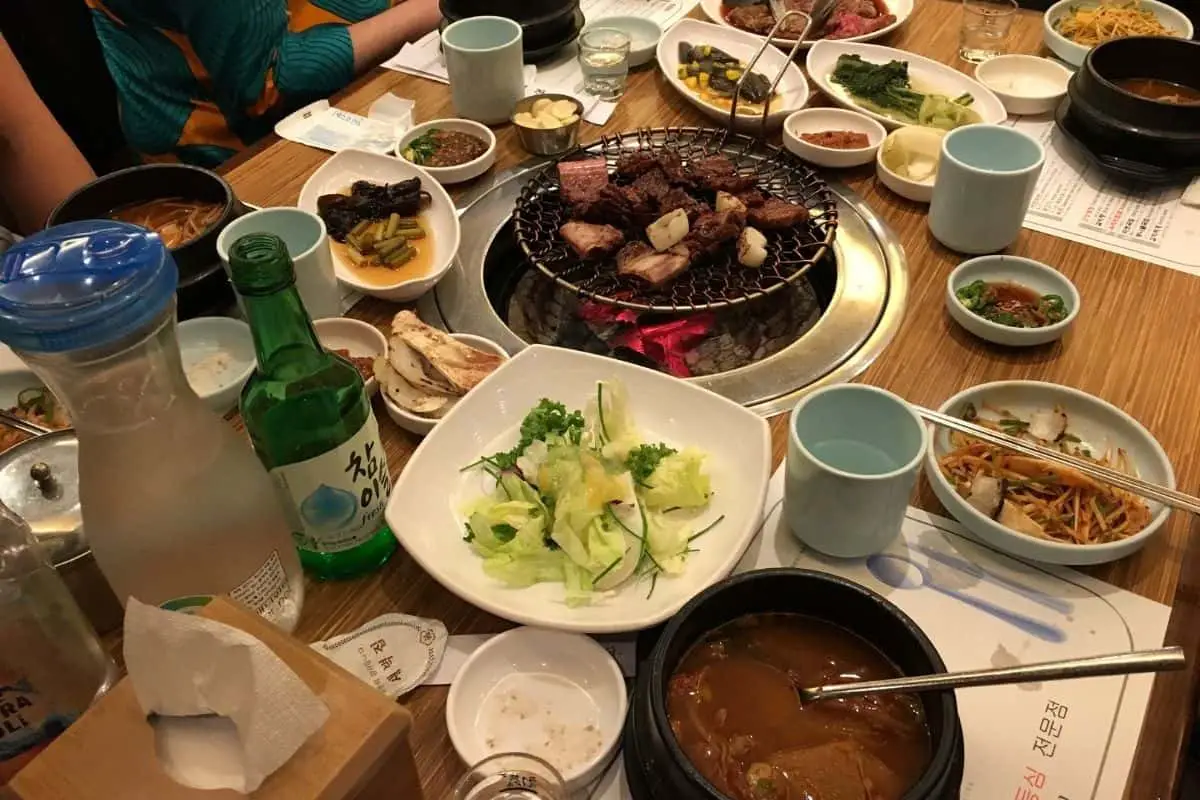
Korean BBQ is a must-try when visiting Seoul. It's a fun and interactive dining experience where you can cook your own meat of choice at the table, and then enjoy it with a variety of side dishes, known as banchan. Korean BBQ restaurants are everywhere in Seoul, from casual street stalls to upscale eateries.
The most popular cuts of meat for BBQ are marinated beef and pork, but you can also find chicken and seafood options. Don't forget to try some soju or Korean beer to wash it all down.
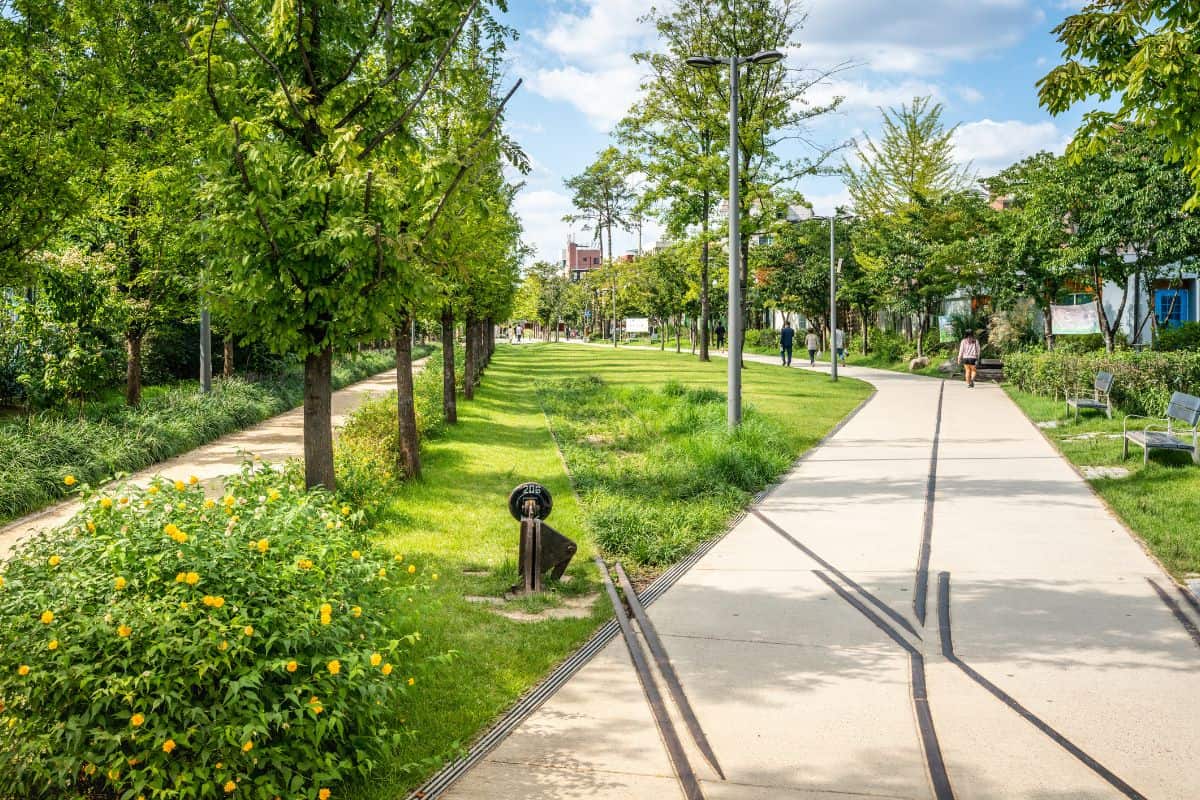
Farmer's Market at Gyeongui Line Forest Park
Address: 147-89 Donggyo-dong, Mapo-gu, Seoul, South Korea
Closest Metro: Daeheung Station Line 6
Gyeongui Line Forest Park is a unique and beautiful park built on a former railway line. It hosts various events and activities throughout the year, including a farmer's market where visitors can buy fresh produce and handmade crafts from local vendors.
The park is also a great spot for a picnic or a leisurely walk, providing visitors with a relaxing and enjoyable experience.
Try Korean Royal Cuisine
Korean Royal Cuisine, or "hanjeongsik," is a unique and delicious dining experience that dates back to the Joseon Dynasty, hundreds of years ago. It features a wide variety of dishes that were once reserved for royalty, such as bulgogi (marinated beef), japchae (stir-fried glass noodles), and jeon (savory pancakes).
For a unique meal during your Seoul trip, you can experience this type of dining at one of the few hanjeongsik restaurants throughout the city (be sure to make a reservation).
Traditional Korean Candy in Insadong
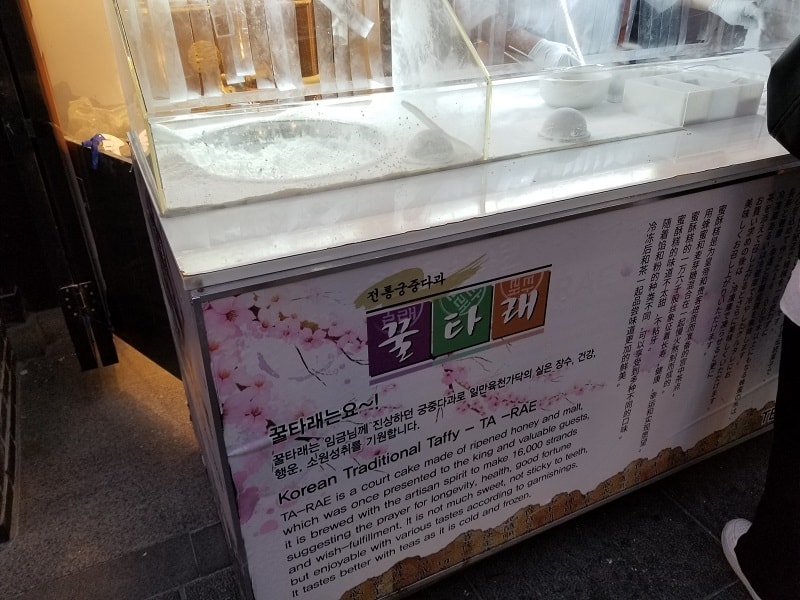
Insadong is a popular area in Seoul for tourists and locals to experience traditional Korean cuisine and culture. The evening market offers a chance for tourists to try traditional Korean snacks and candy. Visitors can sample treats like tteokbokki (spicy rice cakes), hotteok (sweet pancakes), and dalgona candy.
Traditional Korean Rice Wine (Makgeolli) & Cooking Class in Seoul
Season: Rainy days
Operating Hours: (Monday-Wednesday & Friday) 11:00 AM, 2:30 PM & 6:00 PM; (Saturday) 11:00 AM & 6:00 PM
Location: Suguk near Guui Station
Estimated Cost: ₩42,000
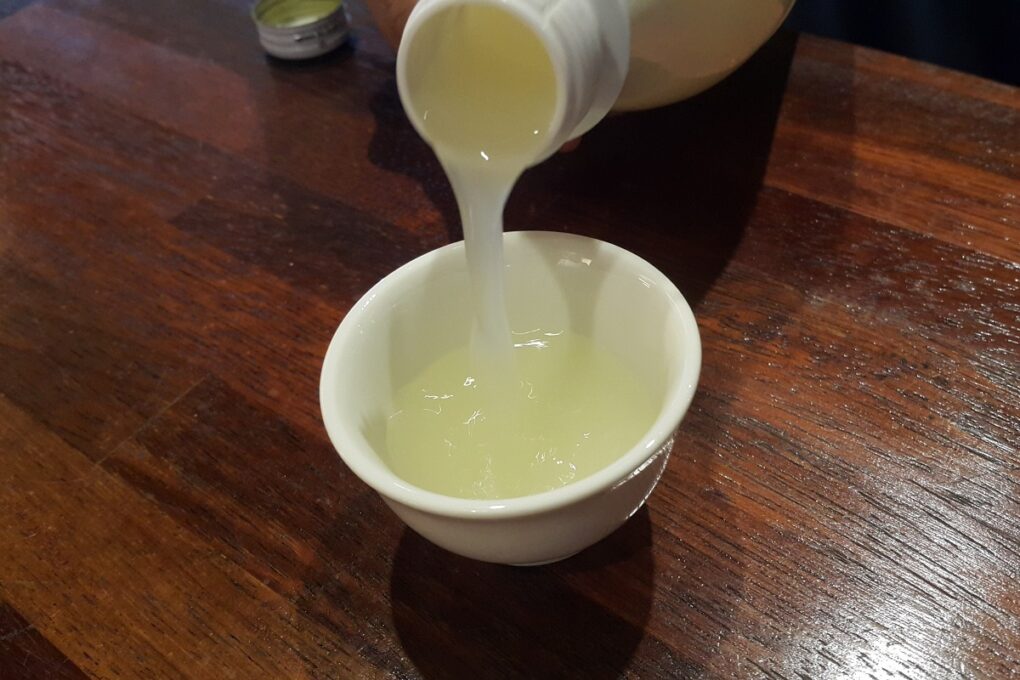
Koreans love their liquor to the point that they made it a culturally acceptable way to bring people together, even in the afternoon. While most of you are familiar with soju, there’s another liquor that Koreans love to pair with barbequed meat: rice wine or makgeolli.
This class is taught by Seri Jeong, a Korean liquor expert, whose decade-long career has garnered multiple awards and domestic fame. Since this drink is best enjoyed with binddaedeok and pajeon, especially when it rains, this is also the perfect activity to do during the monsoon season. Check out their website for more details.
GREEM CAFÉ
Season: Open year round
Operating Hours: Open daily; 11:00 AM to 9:00 PM
Location: Seoul, Mapo-gu, Yeonnam-dong, Seongmisan-ro, 161-10 카페 1.5층
Estimated Cost: ₩-₩₩ (ee GREEM CAFÉ’s instagram for more details)
Ever wondered what it’s like to step into a black & white cartoon strip? This is exactly what GREEM CAFÉ looks like inside, with “pencil-drawn” outlined chairs and tables, creating a 2D illusion that teases your eyes while their coffee tickles your taste buds.
So if you have vertigo, this may not be the place for you. Still, you should give this place a shot. Their Ham and Cheese croissant sandwich (₩ 6,500) is good, and it really goes well with their Herb Garden Tea (₩5,500). If you have extra room, also try their Soft Milk Cream Cake with Honey (₩5,500).
Coffee Hanyakbang
Season: Open year round
Operating Hours: Open daily, from 10:00 AM to 10:00 PM (closes at 8:30 PM on Sundays)
Location: Euljiro 3-ga Station (Line 2, Exit 1)
Estimated Cost: ₩-₩₩
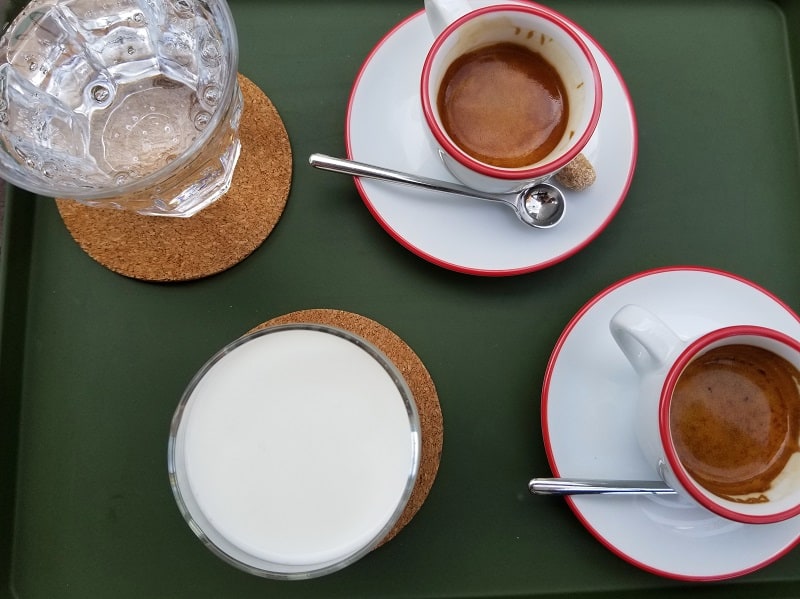
Somewhere in “hip-jiro” (a name given by the young locals to Euljiro) lies a coffee shop tucked inside an alley, populated mostly by the university youth. To get there you need to squeeze through an alley next to a ginseng shop, and the moment you step inside, you’ll find a really dark room with baristas in white.
What I love about this place is that it’s very rustic in a city that’s so futuristic. Even the menu is made out of a plank of wood; and they serve tea and coffee in an antique baking pan. Although most cafes only care about aesthetics, this one puts great care into their coffee.
Some have fruity, nutty, and chocolatey notes, resulting in a thick, creamy coffee that’s worth every cent. And since they roast their beans by hand in the back corner of the café, this Seoul attraction smells really, really good.
Museum Kimchikan (Kimchi Museum)
Season: Fall
Operating Hours: Open daily; 10:00AM to 6:00PM
Location: 35-4 Insadong-gil, Jongno-gu, Seoul; Jonggak Station (Line 1, Exit 3)
Estimated Cost: Adults: ₩5,000, Children: ₩3,000
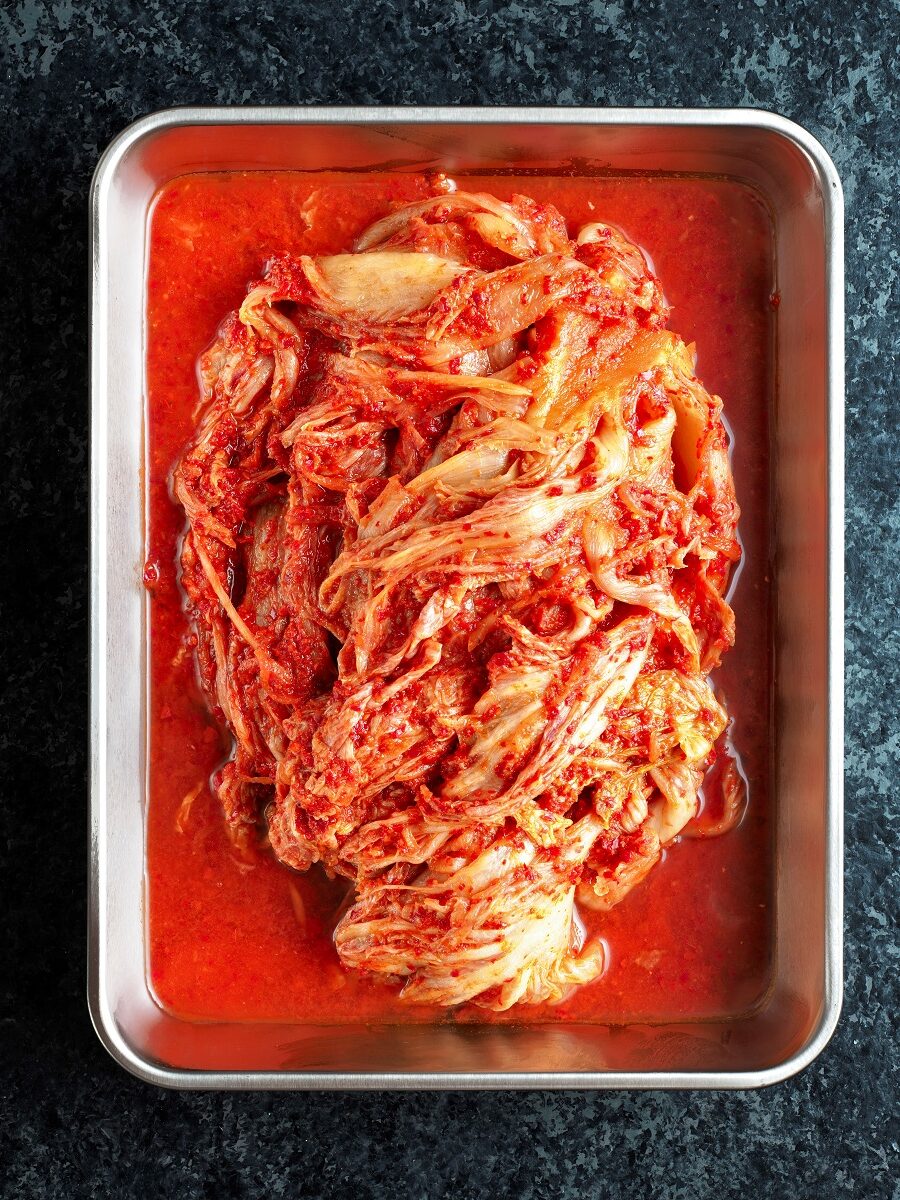
What is Korea known for? Kimchi. This traditional Korean dish is a staple in homes & restaurants, and you can find it almost everywhere in Seoul. There’s even a National Kimchi Day every November, on which most people go back to their hometowns to make enough kimchi for the year as a family.
But the best place to learn all about it is to go to a museum dedicated to it. Here you can learn all about the kimjang process, which is an immersive activity you can do with the entire family.
There are actually multiple types of kimchi (made with things like radish or bean sprouts), and one special thing about the Kimchi Museum is that they let you try all of them in their tasting room.
Coffee Nap Roasters
Season: Spring & Fall
Operating Hours: 9:00 AM to 10:00 AM
Location: 70, Seongmisan-ro 27-gil, Mapo-gu, Seoul; Hongik University Station (Line 2, Exit 2)
Estimated Cost: ₩-₩₩
Most foodies love three things: good food, delicious drinks, and top-tier ambiance. This secluded coffee shop in Seoul has it all. Moreover, what’s unique about this place is the peculiar choice of floor design, made out of bricks stacked together irregularly like a small hill.
Therapeutic music plays softly in the background as you relax in any spot you like. Plus, this is the only place in Seoul where you can get a smoky and savory “bacon cookie” for just ₩3,200.
Gawk at Amazing Sea Life at Noryangjin Fish Market
Season: Open year round
Operating Hours: Open 24 hours, but the infamous fish auctions start at 3 AM
Location: 674 Nodeul-ro, Dongjak-gu, Seoul; Noryangjin Station (Line 1 and 9, Exit 1)
Estimated Cost: ₩₩-₩₩₩
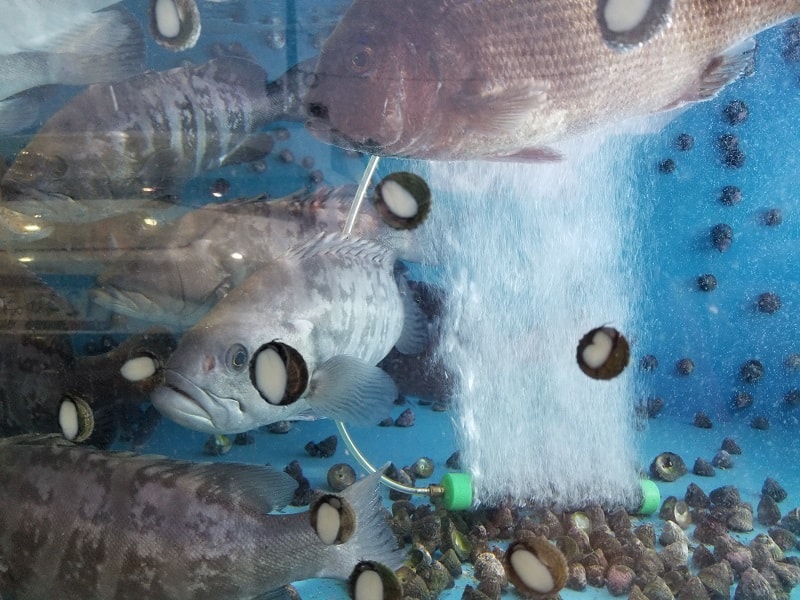
Noryangjin Fish Market is the most famous seafood market in South Korea; it's a must-visit for seafood lovers. Dating back to 1927, this fish market remains in operation today, with tanks full of large fish, crabs, and other interesting seafood freshly caught for you to try.
As one of the largest seafood markets in South Korea, you'll be amazed by the variety of fish and seafood on display. The advantage of coming to this particular wet market is that you can try the “wiggling octopus sashimi” or sannakji (₩5,000) fresh from the tank.
You can watch the fishmongers at work, haggling with buyers and skillfully filleting fish, all of which is available for purchase. Some vendors offer freshly-prepared seafood dishes, such as sashimi or grilled fish, which you can enjoy in the market's dining area with various side dishes.
Be prepared for a lively and sometimes overwhelming atmosphere, as it can get crowded with locals and tourists in the afternoons.
🇰🇷 Things to Do in Seoul for History Buffs
Visit the Jogyesa Temple
Address: 55 Ujeongguk-ro, Jongno-gu, Seoul, South Korea
Closest Metro: Anguk Station Line 3
Jogyesa Temple is one of the most important Buddhist temples in Korea, as well as the center of the Jogye order of Korean Buddhism (Zen Buddhism). The temple complex is located in the heart of Seoul and offers visitors a peaceful and spiritual experience in a tranquil atmosphere.
Its architecture is a lovely example of ancient Korean designs, and features colorful lanterns and intricate wood carvings. Visitors can participate in a meditation session, learn more about Buddhism and its practices, and witness traditional ceremonies and rituals.
The temple also hosts several festivals throughout the year, including the Lotus Lantern Festival, which celebrates the Buddha's birthday.
Visit the Seoul City Hall
Address: 110 Sejong-daero, Jung-gu, Seoul, South Korea
Closest Metro: City Hall Station Line 1
The City Hall is an iconic modern building located in the heart of the city, offering visitors a great view of the city. The building's architecture is a blend of modern and traditional design and is characterized by its curved roof and glass facade.
Visitors can take an elevator to the Jeongdong Observatory on the 13th floor, where they can enjoy a panoramic view of the city skyline. The observatory offers a 360-degree view of Seoul and is an excellent spot for photography.
Bukchon Hanok Village
Season: Year round; but best seen during spring or autumn
Operating Hours: Open 24 hours
Location: 37, Gyedong-gil, Jongno-gu, Seoul; Anguk Station (Line 3, Exit 3)
Estimated Cost: Free
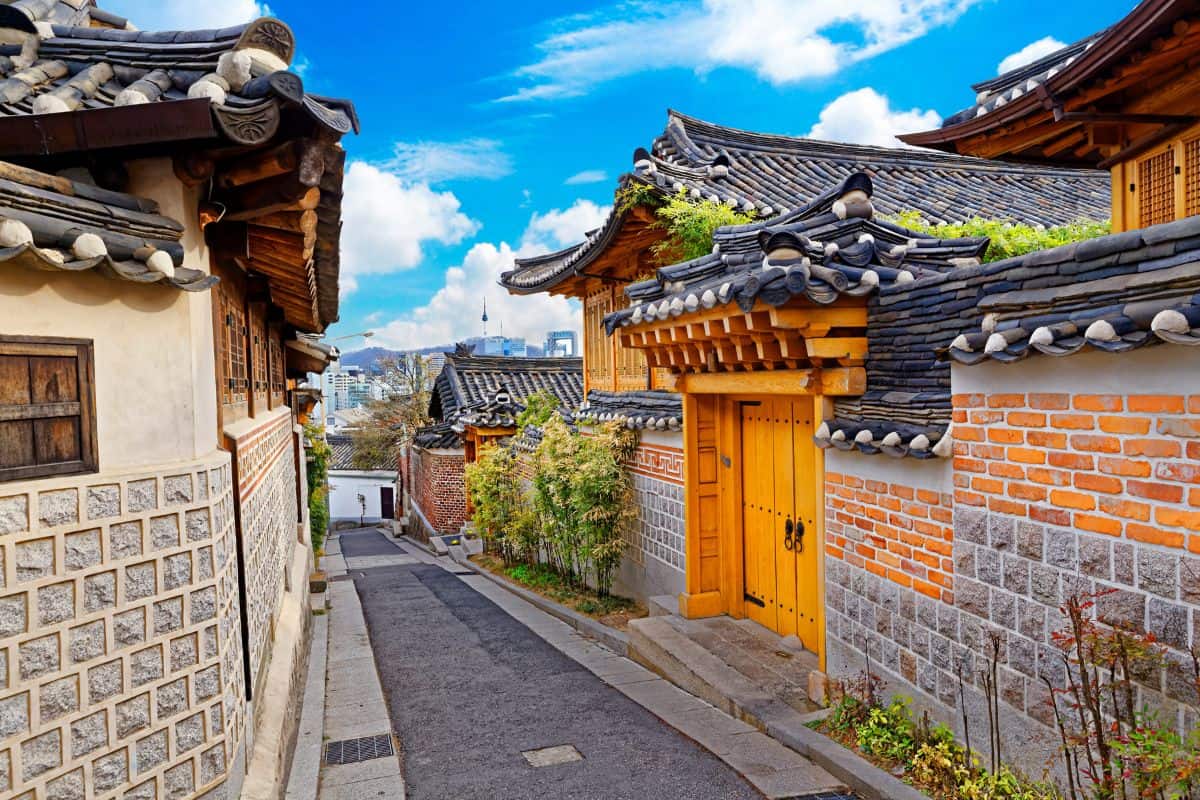
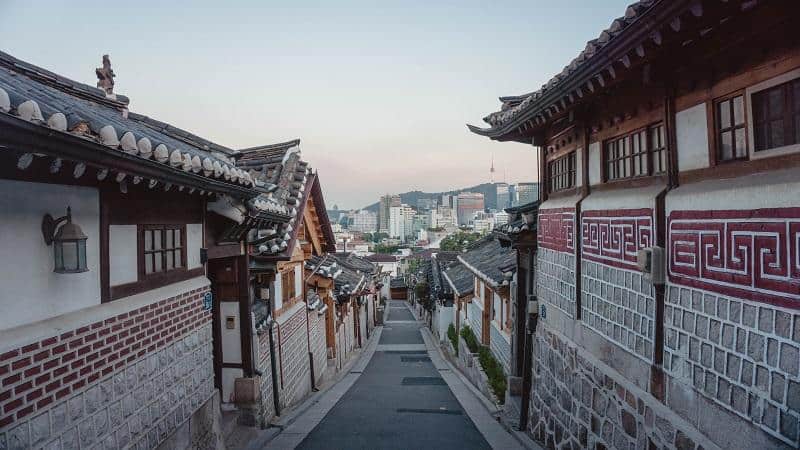
Curious what a Korean village used to look like? The beauty about coming to this place is that it has retained its traditional splendor, with hundreds of hanok that date back to the Joseon Dynasty. Each one has been carefully preserved and protected to remind people how the nobles used to live.
However, they were later replaced by commoners after several wars and disasters broke out. Plus, the village is in the middle of three prime locations that you can visit later (Gyeongbokgung, Changdeokgung, and Jongmyo shrine).
Note: This village may be a historical site, but there are people still living in these homes. If you’re planning to come, please remember to be respectful and quiet. Also, this Hanok Village is the best place to come if you want to have a legitimate hanok experience in Korea.
Seodaemun Prison
Season: Summer & Winter, to emphasize its dreary atmosphere
Operating Hours: 9:30 AM to 6:00 PM (closed Mondays & holidays; closes 7PM November to February)
Location: 251 Tongil-ro, Seodaemun-gu, Seoul; Dongnimmun Station (Line 3, Exit 5)
Estimated Cost: Adults: ₩1,500, Teens: ₩1,000; Children: ₩500; Senior Citizens and Children under 6 are free
History buffs might find this Seoul attraction a worthy visit. I’s a former prison that the Japanese used to humiliate and subjugate Korean patriots, and the latter’s resistance made this landmark an ultimate domestic symbol of love towards the country and perseverance.
This horrible location also features macabre areas such as the underground gallows, isolation cells, and the execution hall, where people were tortured and killed because they wouldn’t yield.
War Memorial of Korea
Season: Open year round
Operating Hours: 9:30 AM to 6:00 PM (closed Mondays)
Location: 251 Tongil-ro, Seodaemun-gu, Seoul; Samgakji Station (Line 4, Exit 12)
Estimated Cost: Free
This site is a physical love letter to all the brave souls that died during wars throughout the 20th century. If you come here you may be surprised to see how in-depth they retell stories from the battlefield.
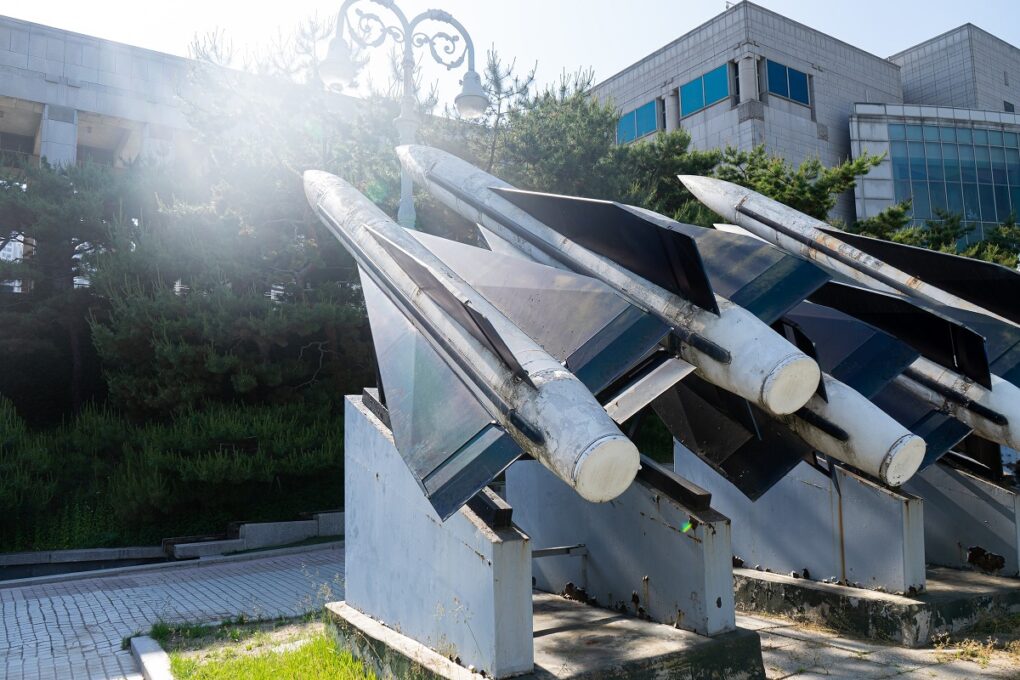
The museum also lets you see decommissioned war tanks, weapons, and even missiles throughout their 6 exhibition halls and outdoor gallery (which features massive military equipment that’s too big to fit in the museum.)
Seolleung and Jeongneung Royal Tombs
Season: Spring & Fall
Operating Hours: 6:00 AM to 8:00 PM (closed Mondays & holidays)
Location: 1 Seolleung-ro 100-gil, Samseong 2(i)-dong, Gangnam-gu, Seoul; Seoulleung Station (Line 2, Exit 10); Seonjeongneung Station (Line 9, Exit 3)
Estimated Cost: Adults: ₩1,000; Children: ₩500
Bet you didn’t expect to see a tomb situated in the middle of Seoul’s famous Gangnam district. While it is most known for being a deluxe metropolis, most people ignore the fact that this is also the final resting place of three important individuals that ruled during the Joseon Dynasty.
Its lush green fields have turned this memorial site into a park, where most locals come for a peaceful walk along the rock wall path after visiting the shrines near the tombs.
Unhyeongung Royal Residence
Season: Spring & Fall
Operating Hours: April to October: 9:00 AM to 7:00 PM; November to March: 9:00 AM to 6:00 PM (closed Mondays & holidays)
Location: 114-10 Unni-dong, Jongno-gu, Seoul
Estimated Cost: Free
Did you know that this Seoul attraction used to be the home of the prince regent Heungseon Daewongun of the Joseon Dynasty? This man eventually became the father of Emperor Gojong, and raised him there until he reached puberty and ascended to the throne.
It’s fun to come here and imagine what life must have been like for the royal residents and their servants. Sometimes, they even run reenactments of big events (like the last royal wedding in 1886), just to give guests a glimpse into the past.
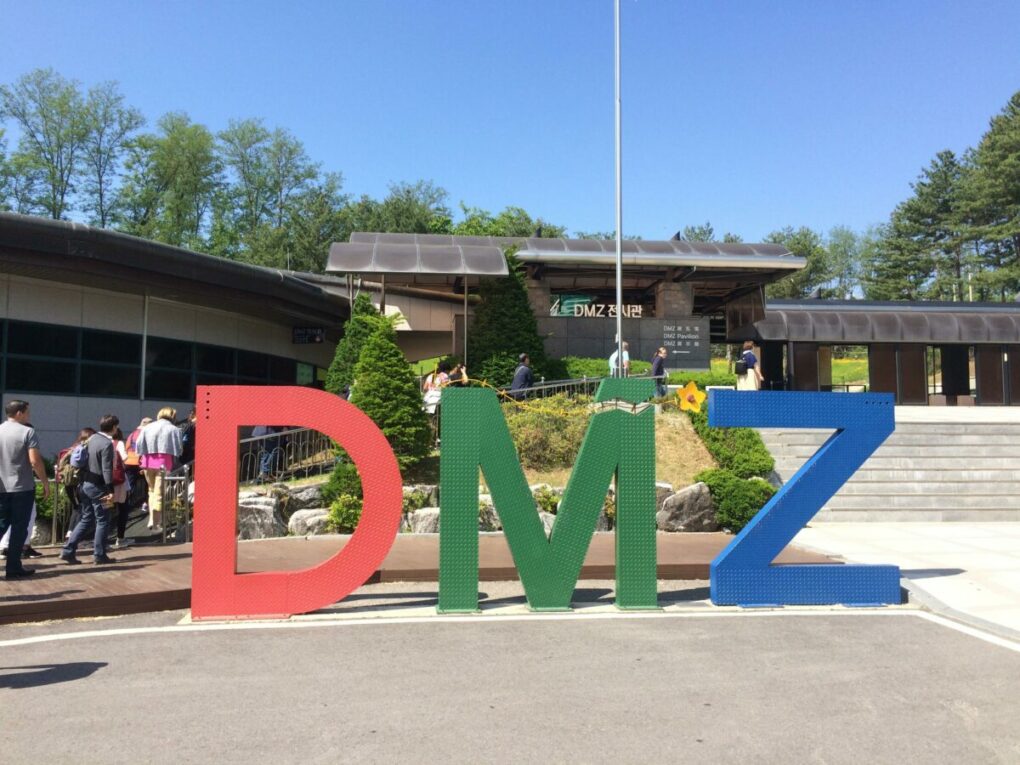
Ride the DMZ Train
Season: As long as there’s no heavy tension between North & South, then you can book a trip.
Operating Hours: Open only from Wednesday to Sunday; 10:00 AM
Location: Depart from Yongsan Station
Estimated Cost: Adults: ₩36,000; Children: ₩33,000; Senior Citizens: ₩34,000
This might sound like the craziest suggestion you’ll ever encounter in a guide, because I seem to be telling you to visit the border in an active war zone. Most guides would suggest you join a DMZ tour for this, but there’s actually a way to do it without one.
All you have to do is catch the DMZ Peace Train from Yongsan Station. Once you have arrived in the DMZ (Demilitarized Zone), they’ll direct you to a bus that lets you experience and explore this heavily restricted area (with guides, of course. We don’t want you to find yourself in North Korea!).
Here you’ll learn a lot more about the painful history of Korea’s national division firsthand, and the strong yearning for peace in the Dorasan area.
See A Korean Baseball Game
Address: 25 Olympic-ro, Songpa-gu, Seoul, South Korea
Closest Metro: Sports Complex Station Line 2
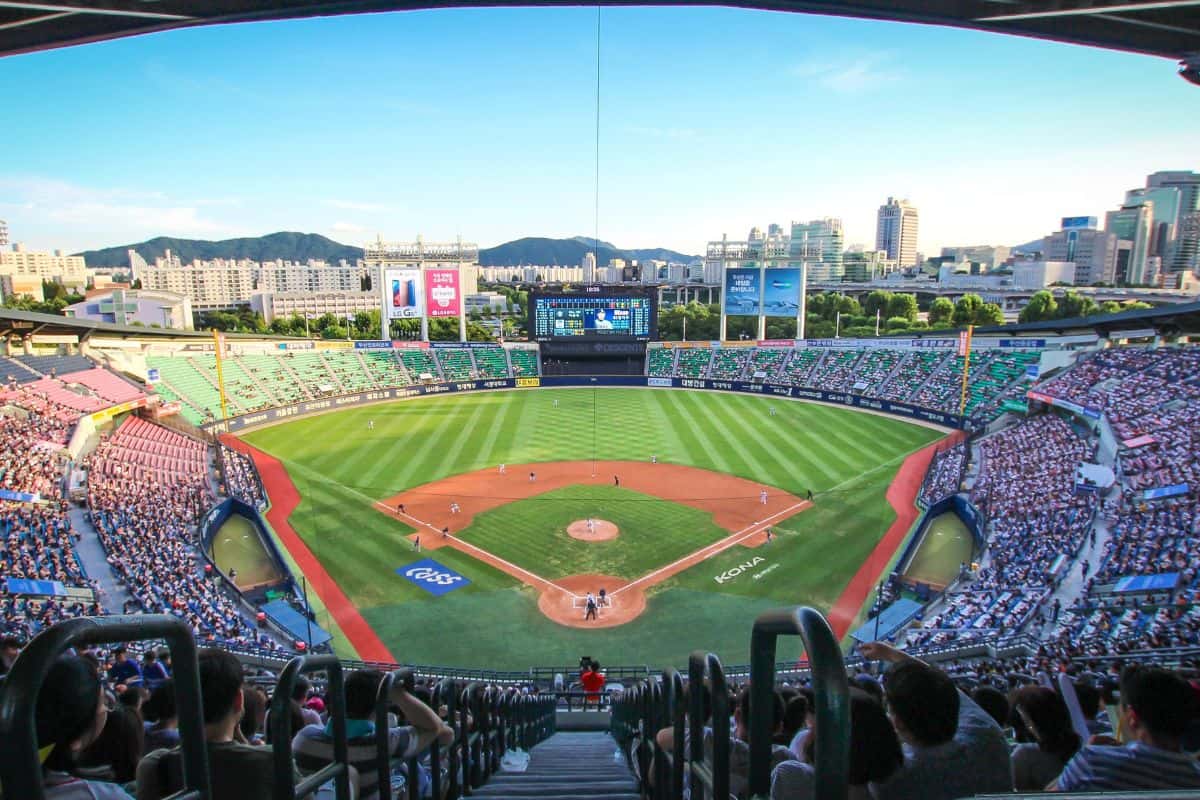
Watching a Korean baseball game at Jamsil Stadium is a fantastic way to experience the excitement of Korean sports culture. Baseball is one of the most popular sports in Korea, and the atmosphere in the stadium is absolutely electric during a game, no matter who's playing.
Visitors can try traditional ballpark food such as fried chicken and beer while enjoying the game. The stadium is home to two professional baseball teams, the LG Twins and the Doosan Bears, and games are held throughout the season in spring.
😊 Things to Do in Seoul With Friends
Try on a Hanbok at Deoksugung Palace
Season: Spring & Fall
Opening Hours: 10:30 AM to 11: 30 AM; 1:30 PM to 2:30 PM; 3:00 PM to 4:00 PM (closed Mondays & holidays)
Location: 99, Sejong-daero, Jung-gu, Seoul; Seoul Subway (Line 1 & 2, Exit 2)
Estimated Cost: (Entrance to Deoksugung Palace) Adult: ₩1,000; Children: ₩ 500; Free for children below 7 and senior citizens.
Come to catch the traditional Changing of The Guards ceremony in the morning, if you can. Afterwards you can borrow their gear in the booth next to the main gate for taking pictures.
This is also the best place to borrow a hanbok for free in Seoul. Sure, it’s not as glamorous as the ones you get from rental stores, and it’s a little worn due to multiple people wearing it before you, but hey, this is one of the rare things you can do in Seoul for free.
Pose With The King at Gwanghwamun Square
Address: 지하172 Sejong-daero, Jongno-gu, Seoul, South Korea
Closest Metro: Gwanghwamun Station Line 5
How Long to Spend: 15 minutes
Gwanghwamun Square is a beautiful and historic public space located in the heart of Seoul; it's such an attraction that it was fully renovated in 2022. Its claim to fame is as home to a statue of King Sejong, who is revered as a national hero in Korea.
Visitors can take a stroll around the square and admire the statue, as well as the surrounding architecture and scenery, before visiting the beautiful Gyeongbokgung.
Photo Booths in Downtown Seoul
How Long to Spend: 5-10 minutes
Take pictures in one of the few photo booths in Seoul, with copies for just a few thousand won. Photo booths are popular in Korea, and there are still a few in Seoul, often in arcades or shopping centers, which can be a fun way to capture memories with friends or alone.
Each set with come with one print of 4 separate snaps.
Seoul Escape Room
Address: 65-1 Dongmak-ro, Sangsu-dong, Mapo-gu, Seoul, South Korea
Closest Metro: Sangsu Station
How Long to Spend: 1 hour
Escape rooms have become a popular form of entertainment in Seoul, and are a great way to spend an afternoon or evening. Visitors have to solve puzzles and clues to escape within a set time limit, and they're designed to be challenging.
It's a thrilling and exciting experience that's sure to leave a lasting impression, if you've never tried one in your home country. There are many different escape rooms to choose from in Seoul, each with its own theme and level of difficulty.
Visitors can do an escape room alone or with friends, and it's a fun way to test your problem-solving skills and ability to work as a team.
Bike or Scooter Around Sokchon Lake
Address: South Korea, 서울특별시 송파구 잠실6동
Closest Metro: Jamsil Station Line 8
How Long to Spend: 1-2 hours
Seokchon Lake is a beautiful and scenic spot in Seoul that's perfect for cycling, jogging, and strolling. The lake is surrounded by a picturesque park, and visitors can rent bikes or scooters to explore the area at their own pace (there are no official tours).
It's a great way to enjoy the outdoors and take in the natural beauty of the city on days with nice weather.
Traditional Korean Tea Ceremony Class
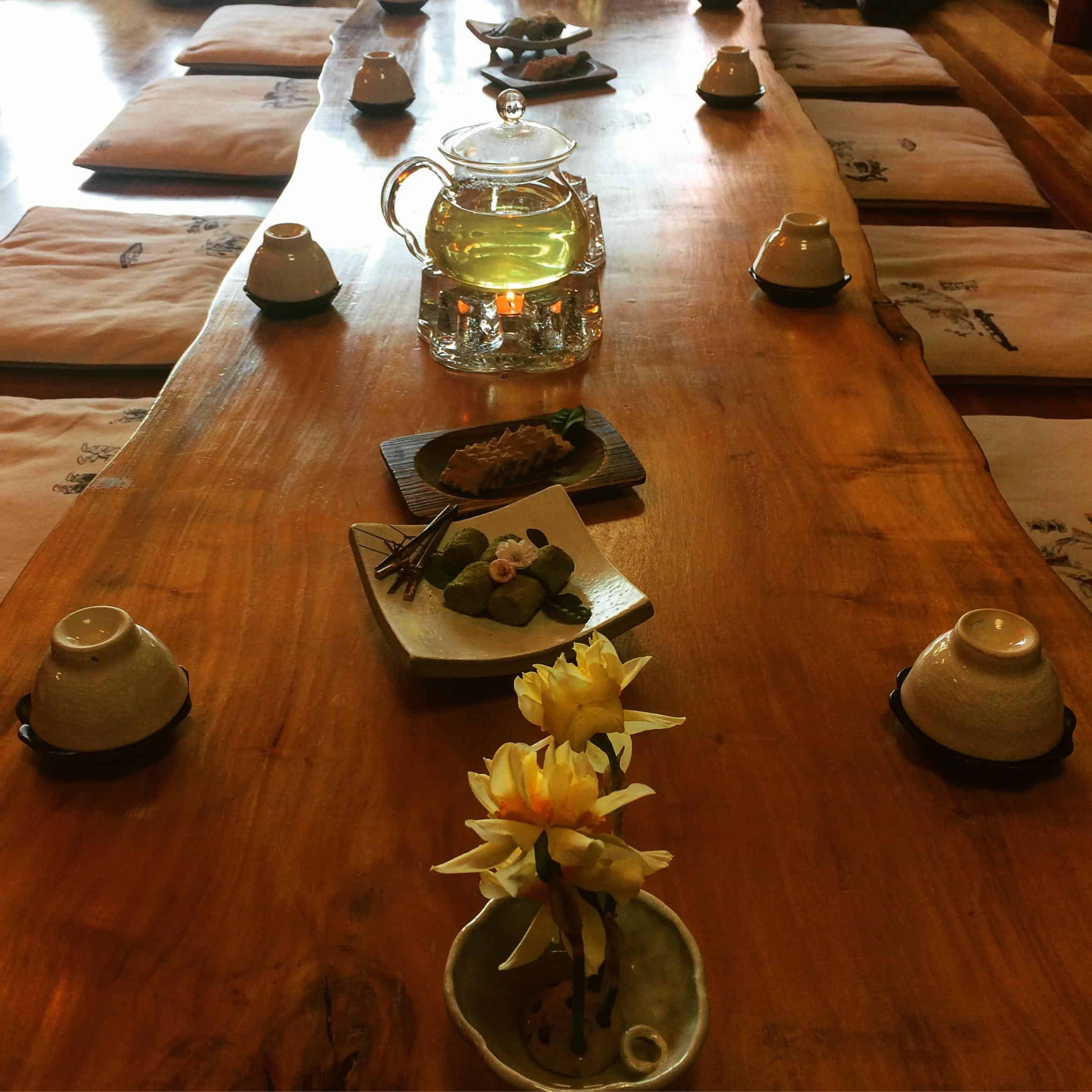
Korean tea ceremonies are a meditative and spiritual experience that have been practiced for centuries. You can take a class to learn about the different types of tea, the proper brewing techniques, and the etiquette of a Korean tea ceremony, practiced historically as a darye.
The Korean Tea Culture Foundation offers a variety of tea ceremony classes for visitors to enjoy, though their website is quite basic.
Visit a Festival or Go Shopping at CoEx Mall
Address: 513 Yeongdong-daero, Gangnam-gu, Seoul, South Korea
Closest Metro: Bongeunsa Station Line 9
How Long to Spend: 2+ hours
CoEx Mall is one of the largest underground shopping malls in Asia, and is a popular shopping destination for Seoulites thanks to its huge variety of offerings. CoEx houses a wide variety of shops, from high-end luxury brands to fast fashion retailers, and is also home to several restaurants, a movie theater, an aquarium, and a convention center.
Throughout the year, the mall hosts various festivals and events, including a K-Pop concert, a chocolate festival, and a flower festival.
The Sool Gallery
Season: Open year round
Operating Hours: 10:00 AM to 7:00 PM (closed Mondays)
Location: 8, Insadong 11-gil, Jongno-gu, Seoul 03145; Sinnonhyeon (Line 9)
Estimated Cost: ₩₩-₩₩₩
The Sool Gallery is a fascinating place to visit in Seoul, because it lets you enjoy a complimentary traditional liquor with options hailing from different provinces in Korea. It’s also fun to come here with friends, since you’ll have a grand time deciphering the tastes of the 2 to 5 types of liquors on offer.
During the tasting and while walking through the displays, you’ll glean a thorough understanding of the history behind these flavors. Email Sool Gallery for a tour reservation and more information.
📷 Things to Do in Seoul for Young Adults
Spend an Afternoon at the Harry Potter Cafe
Address: 24 Yanghwa-ro 16-gil, 서교동 Mapo-gu, Seoul, South Korea
Closest Metro: Hongik Univ. Station Line 2
King's Cross Cafe is a popular Harry Potter-themed cafe located in Hongdae, a youthful area of Seoul known for its nightlife and arts scene. The cafe is designed to look like the Hogwarfunts Express train station, complete with platform 9 ¾, a brick wall, and a luggage trolley sticking out of the wall.
Inside, the cafe is decorated with Harry Potter memorabilia, including posters, books, wands, and other magical artifacts. The menu at King's Cross Cafe features a variety of drinks and desserts with Harry Potter-themed names, such as Butterbeer, Polyjuice Potion, and Chocolate Frogs.
Visit Gyeongbokgung Palace
Address: 161 Sajik-ro, Jongno-gu, Seoul, South Korea
Closest Metro: Gyeongbokgung Station Line No. 3
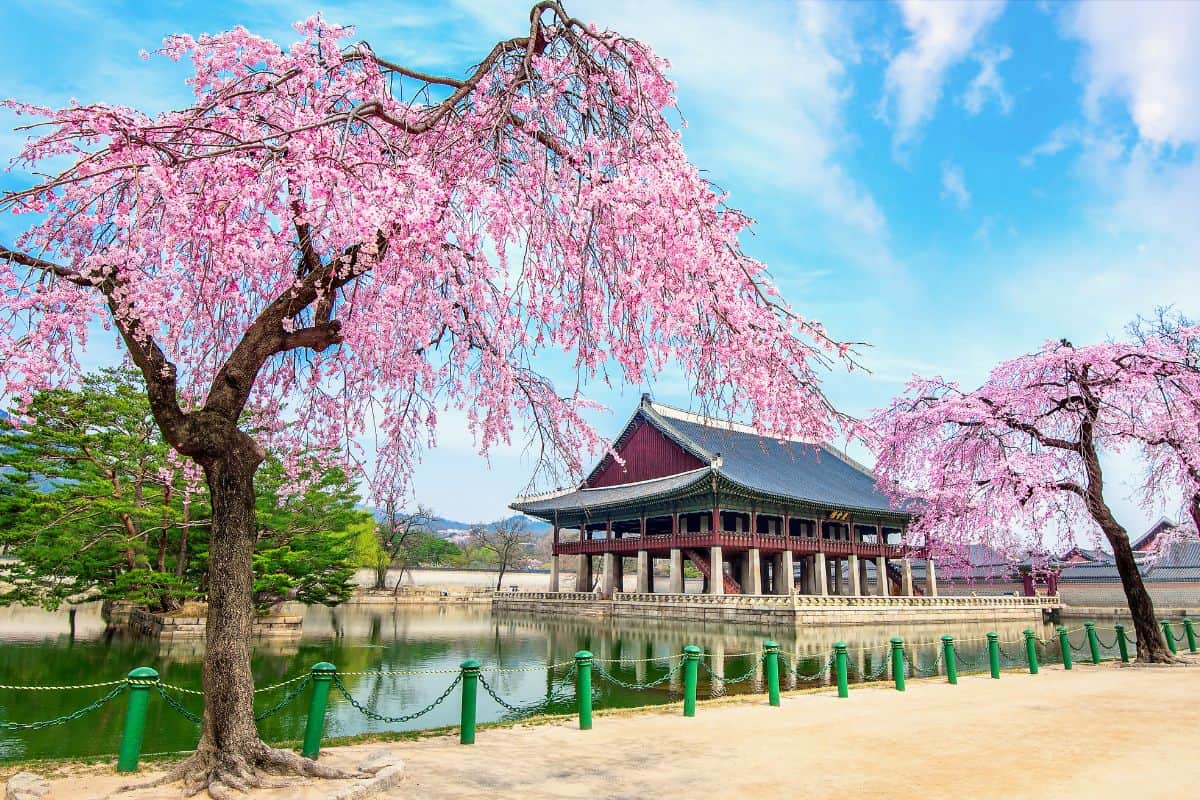
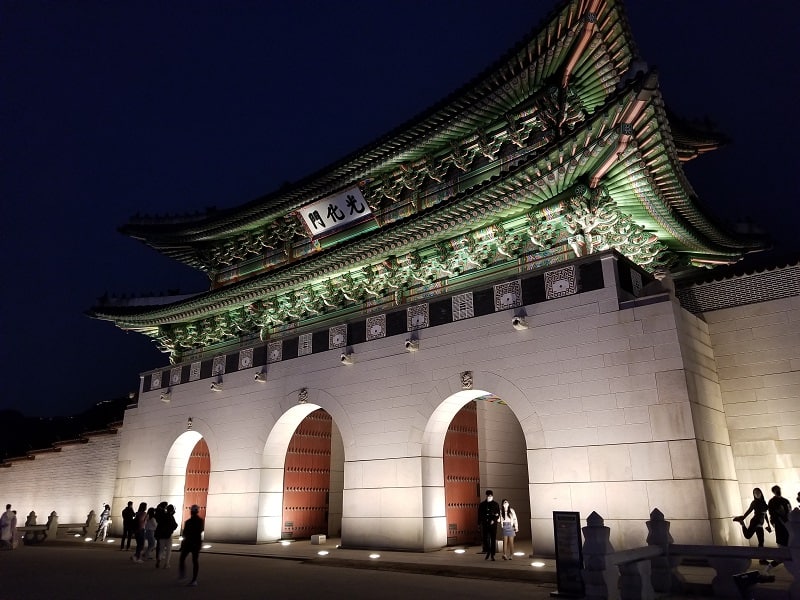
Gyeongbokgung Palace, whose grounds were built in the 14th century, is one of the most iconic landmarks in Seoul. It's also the largest palace in Korea, and was once the home of the Royal Family during the Joseon Dynasty.
Visitors can explore the palace's various buildings & structures, including the throne hall, pavilions, and living quarters of the royal family. The palace also features a beautiful garden and a traditional Korean folk museum that showcases the history and culture of Korea.
All guests will enter through the famous Gwanghwamun Gate or the metro station entrance, which pops you out right next to the National Palace Museum of Korea. Anyone wearing a hanbok, a traditional Korean outfit, can enter the palace grounds for free.
Fun Fact: technically the full name is simply Gyeongbokgung, which translates as 'Gyeongbok Palace.'
Visit the Seoul Folk Flea Market
Address: 21 Cheonho-daero 4-gil, Sinseol-dong, Dongdaemun-gu, Seoul, South Korea
Closest Metro: Sinseol-dong Station Line 1
The Seoul Folk Flea Market is a popular shopping destination for both locals and visitors. It's a bustling and vibrant marketplace that offers a glimpse into traditional Korean culture through crafts, souvenirs, and street food.
The market is home to over 700 vendors, selling everything from handmade pottery to vintage clothing. Visitors can browse through the stalls and find unique souvenirs to take home, or sample some of the delicious Korean street food.
The market is also a great place to practice bargaining skills, as vendors are usually open to negotiation. It's worth noting that the market is closed on Mondays, but is open every other day of the week.
Go Shopping in Myeongdong
Address: Myeongdong, Jung-gu, Seoul, South Korea
Closest Metro: Myeongdong Station Underground Shopping Center
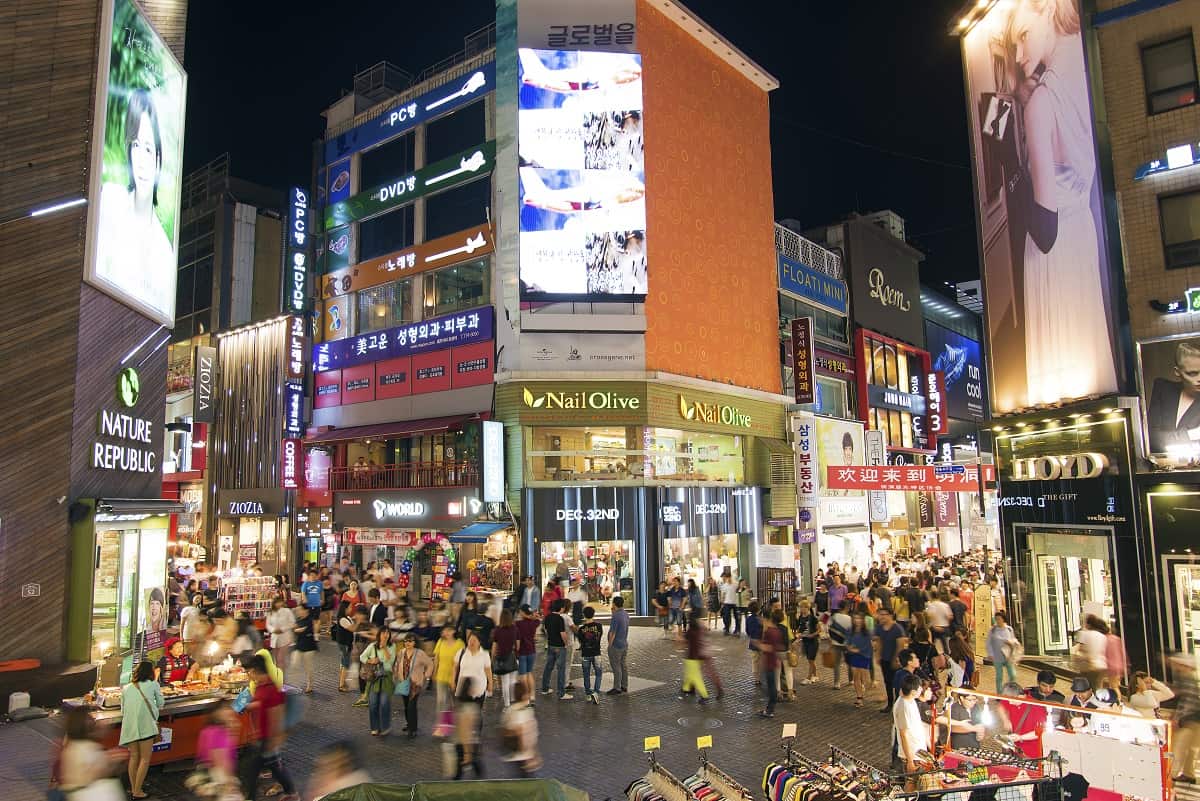
Myeongdong is a bustling shopping district located in the heart of Seoul, famous for its high-end fashion, cosmetics, and skincare products. Visitors can browse the numerous shopping malls, boutiques, and street food vendors, or dine in one of the many restaurants and cafes.
The district's street food stalls and restaurants are known to offer a variety of dishes, making it a perfect spot for foodies (the cheesy lobster tail is a can't miss!). Myeongdong's lively atmosphere adds to the shopping experience, and visitors will often see street performances and entertainment acts while exploring the area on the weekends.
Walk the Ewha Womans University Campus
Address: 52 Ewhayeodae-gil, Seodaemun-gu, Seoul, South Korea
Closest Metro: Ewha Womans Univ. Station Line 2
I know visiting a college campus seems like a strange vacation activity, but just like the beautiful art installations throughout the city, Seoul takes design & architecture seriously. Ewha Womans University is one of several beautiful campuses you can visit, located in the heart of Seoul's artsy district.
The campus is known for its stunning architecture and landscaping, and the university is one of the oldest and most prestigious universities in Korea, with a history dating back to 1886. Visitors can participate in various cultural events and activities such as music concerts, theater performances, and art exhibitions.
The university also offers a range of unique and innovative courses in various fields, if you're interested in becoming an international student in Seoul.
Eat at an Animal Cafe or Themed Cafe
Address: Cat Cafe: 37-14 Myeongdong 8-gil, Jung-gu, Seoul, South Korea
Closest Metro: Myeongdong Station Line 4
How Long to Spend: 1 hour
Seoul is known for its quirky themed cafes, from cat cafes to Harry Potter cafes or poop cafes (more on those below). It's a fun way to enjoy a coffee or snack while interacting with animals and experiencing something unique.
Cat cafes are the most popular, and it's typical now that they charge an entrance fee, and then reasonable prices for coffee and snacks you can enjoy while petting cute felines. Other animal cafes include dog cafes, raccoon cafes, sheep cafes, and even meerkat cafes.
Theme cafes are a fun way to break up your day of sightseeing and try something new, but just be prepared to pay a little extra for drinks, thanks to the novelty factor.
See or Stay at Lotte World Tower
Address: 300 Olympic-ro, Songpa-gu, Seoul, South Korea
Closest Metro: Jamsil Station Line 2
Lotte World Tower is a modern marvel of engineering and architecture; the skyscraper offers stunning views of the city from its observation deck on the 123rd floor. The tower is actually the tallest building in Korea, featuring a luxury hotel, offices, and a shopping mall.
Visitors can also enjoy a meal at one of the tower's restaurants or cafes, which offer a range of international cuisine, including Korean, Japanese, and Italian. The tower's luxurious hotel is also a popular destination for those looking to experience the height of luxury experiences in Seoul.
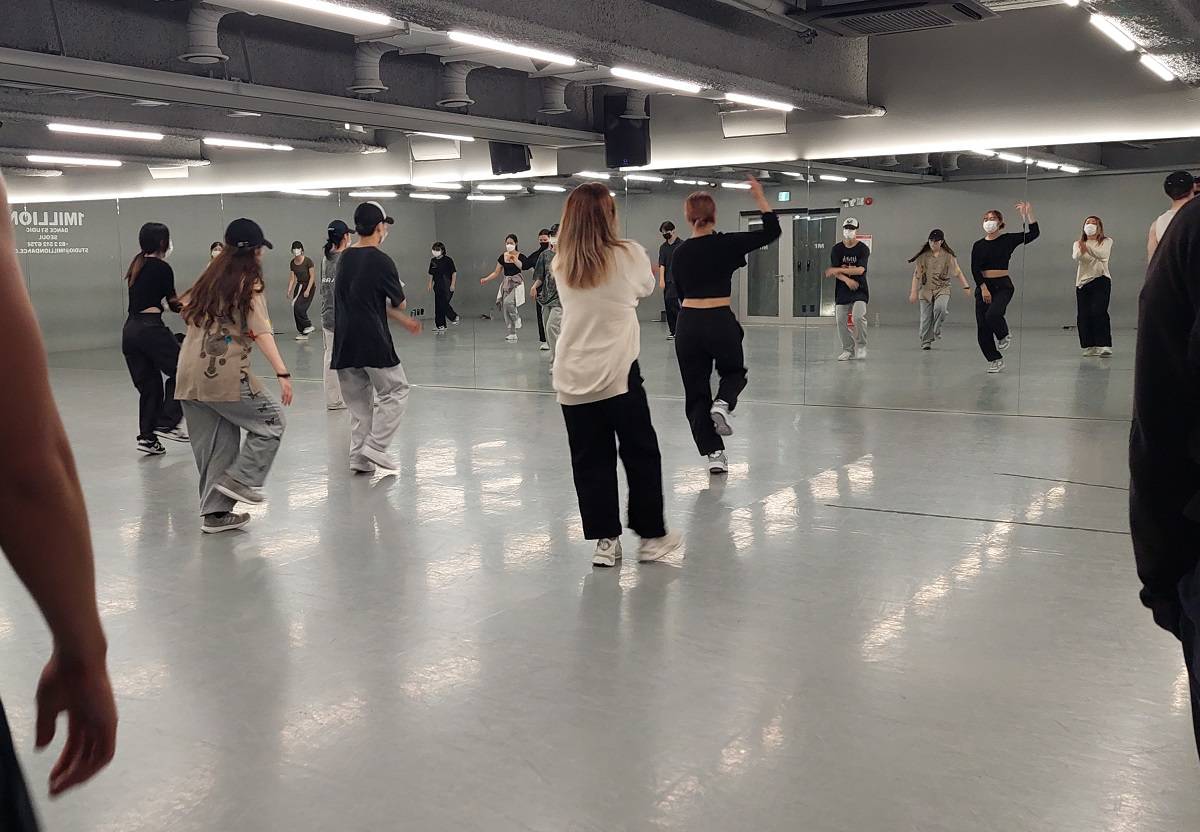
Take a 1Million Dance Studio K-Pop Class
Address: 33 Ttukseom-ro 13-gil, Seongdong-gu, Seoul, South Korea
Closest Metro: Seongsu Station Line 2
K-pop is a huge part of Korean culture and has been for awhile, but in recent years it's taken the world by storm. K-pop has become a global phenomenon, and Seoul is the epicenter of the industry.
1Million Dance Studio is one of the most famous dance studios in Seoul, and has trained some of the biggest K-pop stars in addition to their beloved Youtube Channel. You can take a dance class with their talented instructors and learn the choreography to some of the most popular K-pop songs.
The classes are open to all skill levels and ages, so even if you're not an experienced dancer, you can still have a fun & rewarding experience.
Self-Guided Street Art Tour of Ihwa Mural Village
Address: 49 Naksan 4-gil, Jongno-gu, Seoul, South Korea
Closest Metro: Dongdaemun Station Line 1
Ihwa Mural Village is a vibrant and youthful neighborhood that's perfect for those interested in street art and photography.
Visitors can take a self-guided tour of the area, exploring the various murals and sculptures that adorn the walls and buildings. The village also offers stunning views of the city, making it a great spot for photos around dusk.
Ghost Walking Tour in Downtown Seoul
If you're interested in the paranormal, a ghost walking tour around downtown Seoul is a unique and fascinating thing to do in Seoul. Accompanied by a local guide, you'll learn about the city's haunted past and hear stories of ghosts and spirits that are said to still haunt the streets, with tour options in English.
It's a fun way to explore the city and learn more about its long history and complex culture.
Explore the Insadong Neighborhood
Closest Metro: Anguk Station Line 3
Insadong is a traditional neighborhood located in the heart of Seoul, known for its art galleries, traditional crafts, and contemporary teahouses. Visitors can browse the numerous craft shops and galleries, enjoy a traditional Korean meal, or relax with a cup of tea.
The neighborhood's cultural events and performances, such as the traditional Korean music and dance shows, add to the overall experience. Visitors can also explore the Ssamziegil shopping complex, known for its unique architecture and shops that sell handmade items, as well as the infamous Poop Cafe.
The neighborhood's authentic Korean atmosphere makes it an ideal destination for those seeking to immerse themselves in Korean culture, and especially the traditional Korean street foods, like dalgona and hoddeok. Just note that the area is usually closing up by 6pm on weekdays (or 8-9pm on weekends).
🖼️ Best Museums in Seoul
Explore Gana Art Center
Address: 28, Pyeongchang 30-gil, Jongno-gu, Seoul, 03004
Closest Metro: Bukhansan Bogungmun Station UI-Sinseoul
Gana Art Center is a contemporary art museum in Jongno that showcases the work of Korean and international artists. The museum has a variety of exhibitions, from photography to sculpture to painting. Visitors can explore the museum, attend art events and workshops, and learn about the contemporary art scene in Korea.
National Museum of Palace Culture at Gyeongbokgung
Season: Open year round
Opening Hours: open daily; 10:00 AM to 6:00 PM
Location: 12 Hyoja-ro, Jongno-gu, Seoul; Gyeongbokgung Station (Line 5, Exit 5)
Estimated Cost: Free
This museum holds the biggest collection of artifacts dating back to the Joseon Dynasty and the Korean Empire, counting over 40,000 in total. It also houses the former things that the famous King Gojeong held dear, such as personal letters to his friends, and the seal he used to sign royal documents.
Here you’re able to read about what sort of life they had in the past, down to the art and music they were into. I find this to be a worthwhile stop for a culture-focused Seoul itinerary, because it also gives you a semblance of how simple life in Korea was before it became the dynamic, bustling metropolis it is today.
Tour the Beautiful Tea Museum
Address: 19-11 Insadong-gil, Insa-dong, Jongno-gu, Seoul, South Korea
Closest Metro: Jongno 3 (sam)-ga Station Line 5
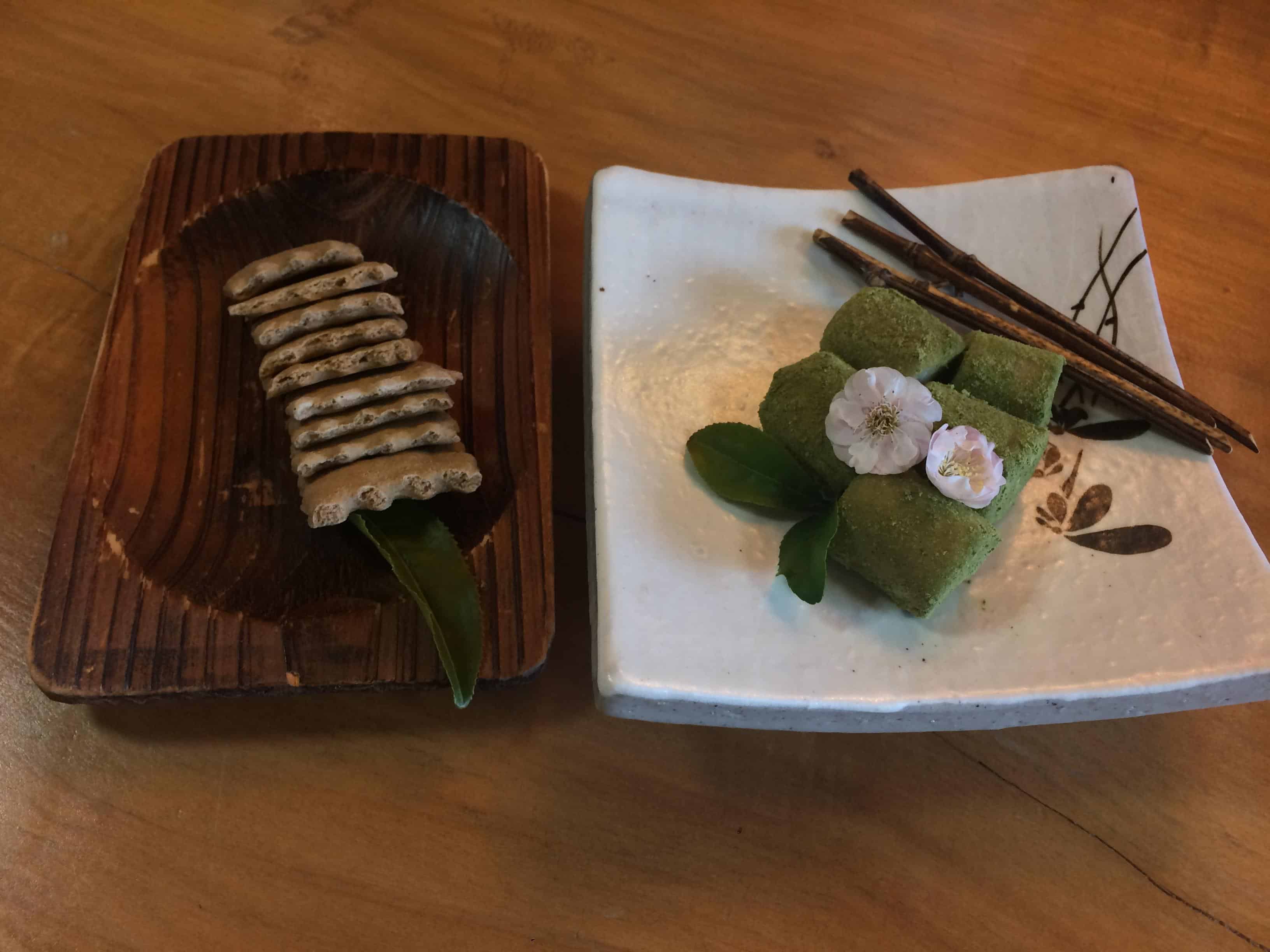
This museum offers a unique experience where visitors can learn about the history of tea in Korea and try different types of teas.
The museum's tea room also offers a beautiful view of the surrounding gardens, making it a peaceful and serene place to relax and enjoy a cup of tea, which you can purchase after the tasting for consuming there or bringing home.
Visit the Leeum Samsung Museum of Art
Address: 60-16 Itaewon-ro 55-gil, Yongsan-gu, Seoul, South Korea
Closest Metro: Hangangjin Station Line 6
The Leeum Samsung Museum of Art is a world-class art museum that showcases both traditional and contemporary Korean art. Visitors can explore the various galleries with works by Korean and international artists, as well as attend cultural events & workshops and learn more about Korean art and culture.
The museum is divided into three sections: the Samsung Museum of Art, which features modern and contemporary art; the Leeum Gallery, which showcases traditional Korean art and artifacts; and the Plateau, a space for experimental contemporary art installations.
Leeum Art Museum is also located in the heart of the foreigner-centric Itaewon district, making it a great place from which to start exploring the surrounding area and practicing good Korean etiquette.
Visit the National Folk Museum of Korea
Address: 37 Samcheong-ro, Jongno-gu, Seoul, South Korea
Closest Metro: Gyeongbokgung Station Line 3
The National Folk Museum of Korea, also located within the grounds of the Gyeongbokgung Palace complex, offers a detailed look at the history, culture, and art of traditional Korean life. The museum features exhibits on the daily lives of Koreans throughout history, such as Korean folk traditions, customs, and beliefs, like shamanism.
The museum also showcases various artifacts such as tools, clothing, and household items from various periods in Korean history. The museum also hosts workshops and cultural performances, such as traditional Korean music and dance.
🏯 Things to Do in Seoul for Cultural Travelers
Tour the Blue House, the Former Korean White House
Address: 1 Cheongwadae-ro, Jongno-gu, Seoul, South Korea
Closest Metro: Anguk Station Line 3
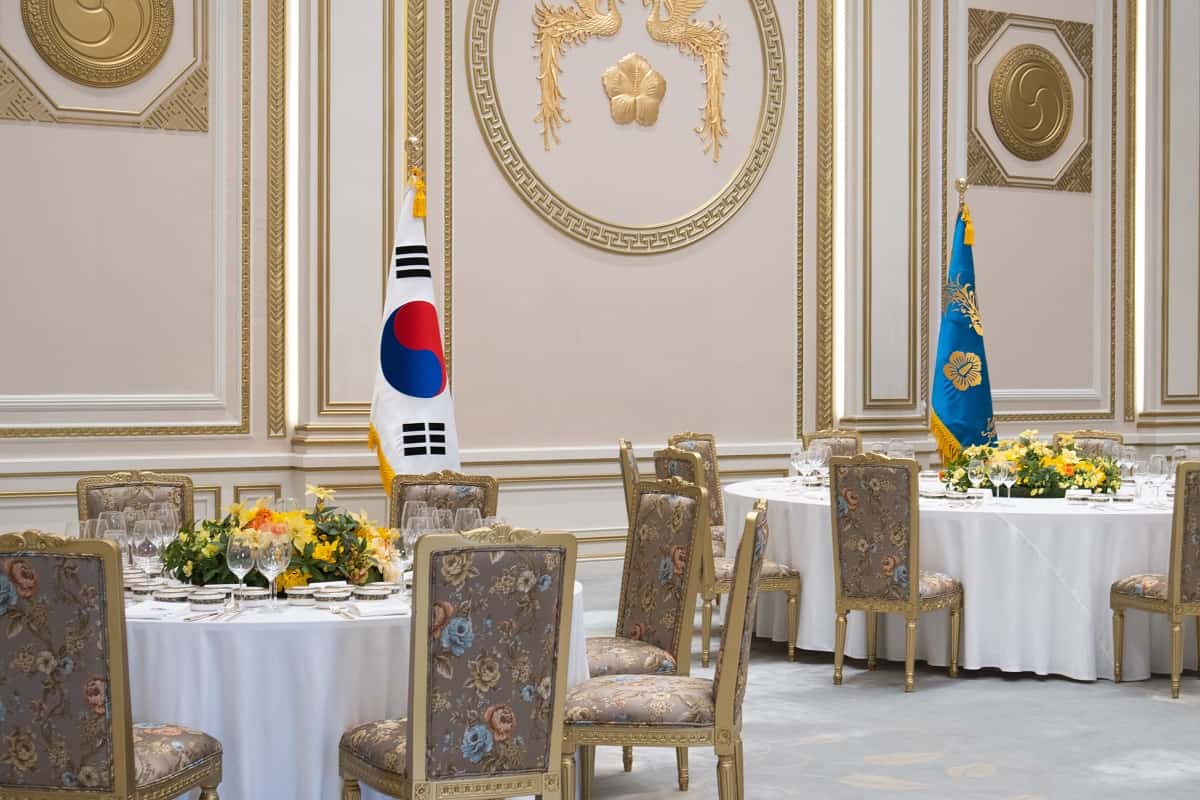
Up until May 2022, the Blue House was the official residence of the President of South Korea, and is actually located in downtown Seoul (much like the American president's 'White House').
Visitors can take a guided tour of the Blue House and learn about its history since the 1950's, and its great significance in Korean politics. It's a cool way to learn more about the country's political system and see a beautiful and historic building.
Look Inside Culture Station Seoul 284
Address: 1 Tongil-ro, Jung-gu, Seoul, South Korea
Closest Metro: Seoul Station Line No. 1
Culture Station Seoul 284 is a historic train station that's been converted into a cultural space. It hosts various exhibitions, performances, and events throughout the year, mostly attracting a younger crowd. Visitors can explore the restored station building and learn about the history of the railway system in Korea, which is more fun than it sounds.
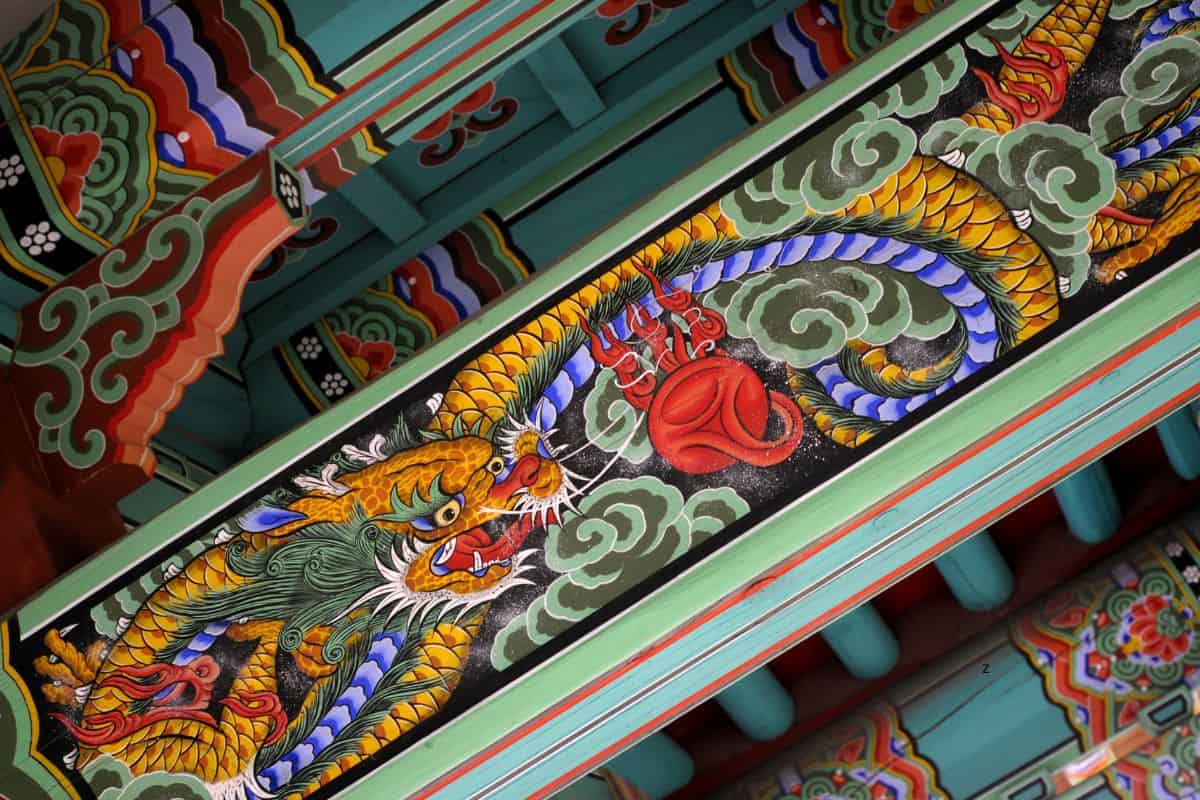
The Seoul Philharmonic Orchestra
Address: South Korea, Seoul, Seocho-gu, Seocho-dong, 700 Opera House 4th floor
Closest Metro: Nambu Bus Terminal, Exit 4-2
Seoul's Philharmonic Orchestra is one of the leading orchestras in Asia, known for its high-quality performances and innovative programs. The orchestra performs at the Seoul Arts Center and other venues throughout the city, offering classical music lovers a chance to experience world-class music in a beautiful setting.
Visit the Sejong Center for the Performing Arts
Address: 175 Sejong-daero, Jongno-gu, Seoul, South Korea
Closest Metro: Gwanghwamun Station Line 5
The Sejong Center for the Performing Arts is a must-visit destination for anyone interested in the arts. Located in the heart of Seoul, the center is a cultural complex that offers a wide range of performances and events, including classical music, opera, theater, and dance.
The center is named after King Sejong the Great, who created the Korean alphabet, and is a symbol of the country's rich cultural heritage. Visitors can enjoy performances in one of the four theaters, as well as exhibitions and cultural events. The center also houses a library, a souvenir shop, and several restaurants.
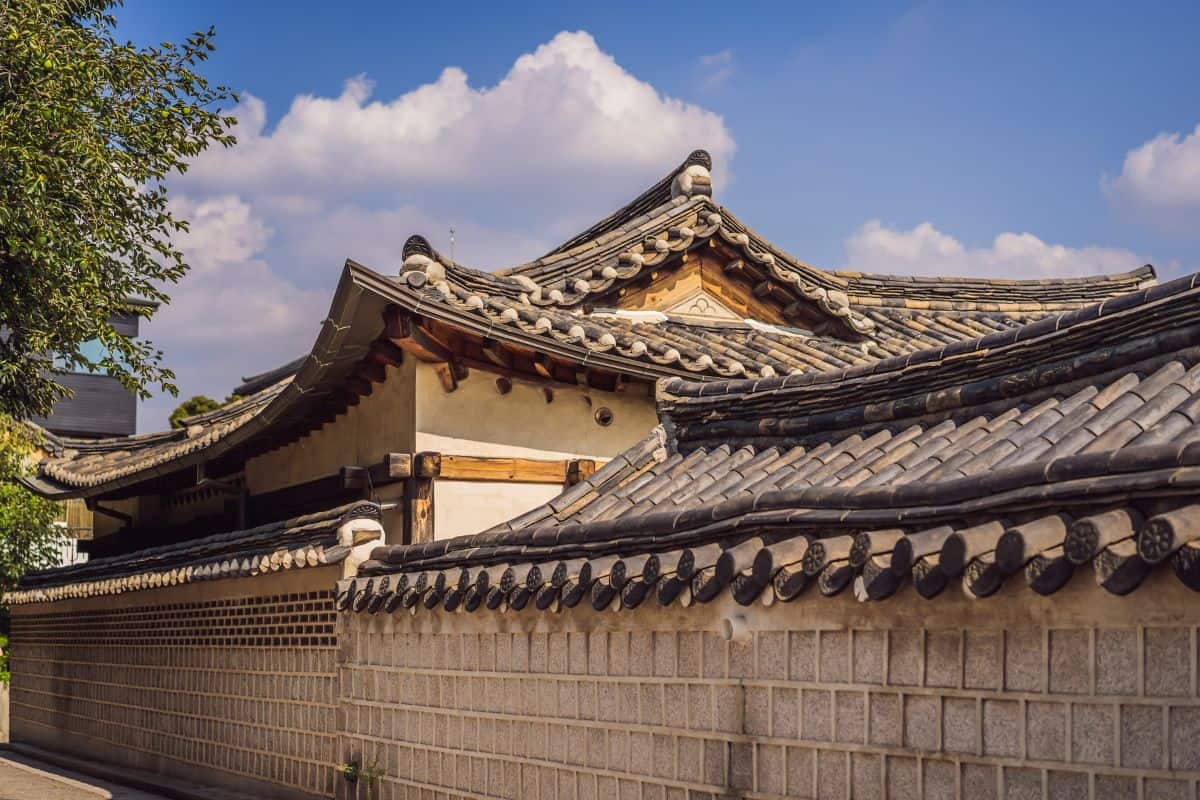
Visit Namsangol Hanok Village
Address: 28 Toegye-ro 34-gil, Jung-gu, Seoul, South Korea
Closest Metro: Chungmuro Station Line 3
Namsangol Hanok Village is a traditional Korean village located in the heart of Seoul. The village offers a glimpse into the traditional way of life in Seoul, featuring restored hanok houses, traditional gardens, and cultural performances.
Visitors can take part in various cultural activities, such as traditional music and dance performances, making traditional paper & textiles, and tea ceremonies. The village's serene environment and cultural offerings make it an excellent destination for those seeking a more relaxed and traditional experience in Seoul.
Visit the Seoul National University Campus
Address: 1 Gwanak-ro, Gwanak-gu, Seoul, South Korea
Closest Metro: Gwanaksan Station
Seoul National University is the oldest and most prestigious university in South Korea, founded in 1946. The beautiful campus is located in the Gwanak-gu district and covers more than half a mile.
Visitors can explore the campus and take in the beautiful architecture, gardens, and sculptures. The university is home to several museums, including the Museum of Art, the Museum of Natural History, and the Museum of the University History.
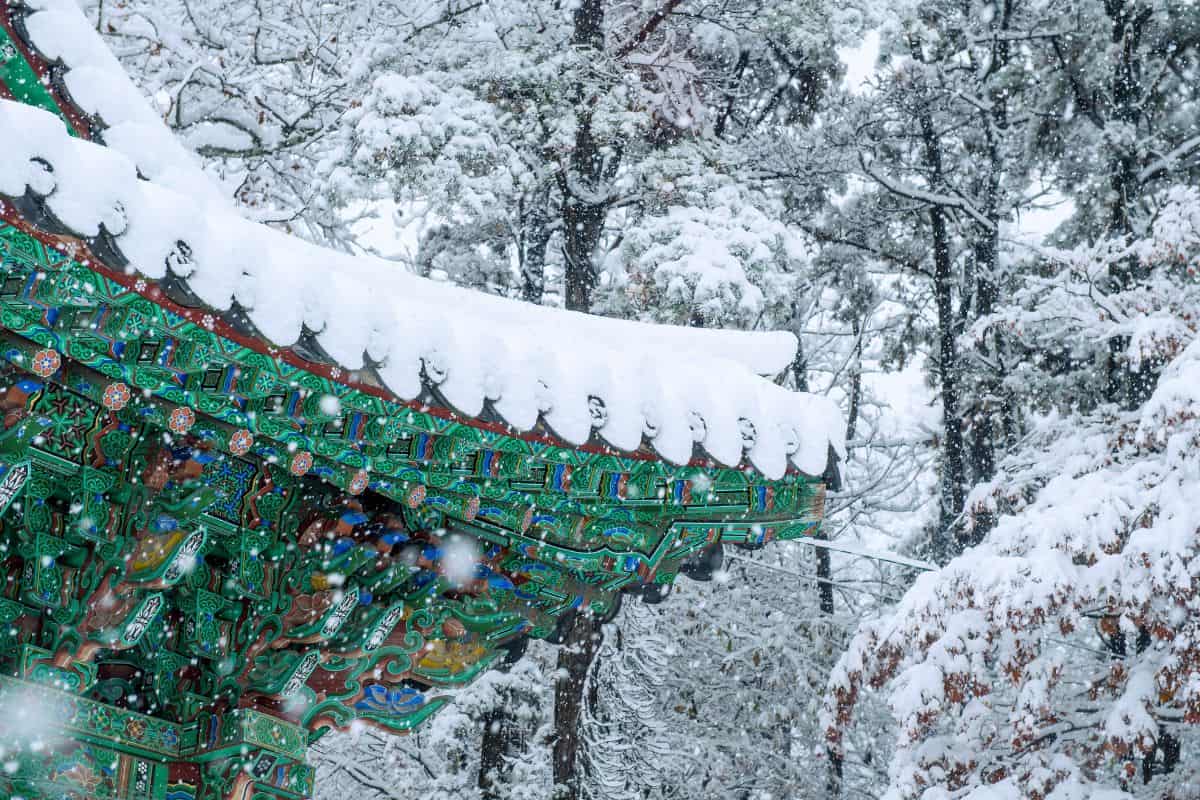
Explore Changgyeonggung Palace
Address: 185 Changgyeonggung-ro, Jongno-gu, Seoul, South Korea
Closest Metro: Anguk Station Line 3
Changgyeonggung Palace is another royal palace in Seoul and is known for its beautiful architecture and tranquil gardens. It was originally built as a summer palace for the royal family, and it features several pavilions and ponds, as well as a greenhouse with a variety of exotic plants.
Like the other four royal palaces, you can enter Changgyeonggung for free when wearing a hanbok (Korean traditional outfit).
Explore Gyeonghuigung Palace
Address: 45 Saemunan-ro, Jongno-gu, Seoul, South Korea
Closest Metro: Seodaemun Station Line 5
Gyeonghuigung Palace is a smaller palace in Seoul that's perfect for those interested in Korean history and culture. It was built in the 17th century and is known for its beautiful gardens and traditional Korean architecture.
Visitors can take a guided tour of the palace and learn about its history and significance in Korean culture.
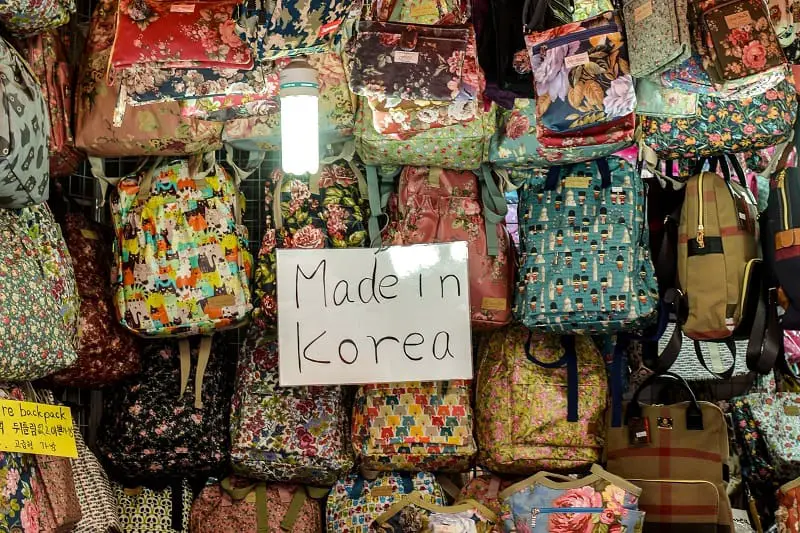
Namdaemun Market
Season: Open year round
Operating Hours: open 24 hours
Location: Hoehyeon Station (Line 4, Exit 5)
Estimated Cost: ₩-₩₩
One of the best ways to experience real parts of Korean culture is to visit a traditional market, most especially at night. Namdaemun Market in particular is famous for its multitude of high quality Korean crafts and wares (like things made out of hanji and ceramics) for a really low price.
Also, the Korean food here is authentic, delicious, and filling.
Hit Korean Drums at the National Gugak Center
Season: Open year round
Operating Hours: Daily, 9:00 AM to 10:00 PM
Location: 2364 Nambusunhwan-ro, Seocho-gu, Seoul
Estimated Cost: ₩35,000
If you’re looking for a real traditional experience (i.e. nanta drums without the modern twist), come to the National Center for Korean Traditional Performing Arts. There they perform songs and dances that once entertained Korea’s royalty, who actually still live in the city.
Witnessing these things in full swing will make you fall in love with Seoul even more, as you see how the country keeps traditions a part of their national image.
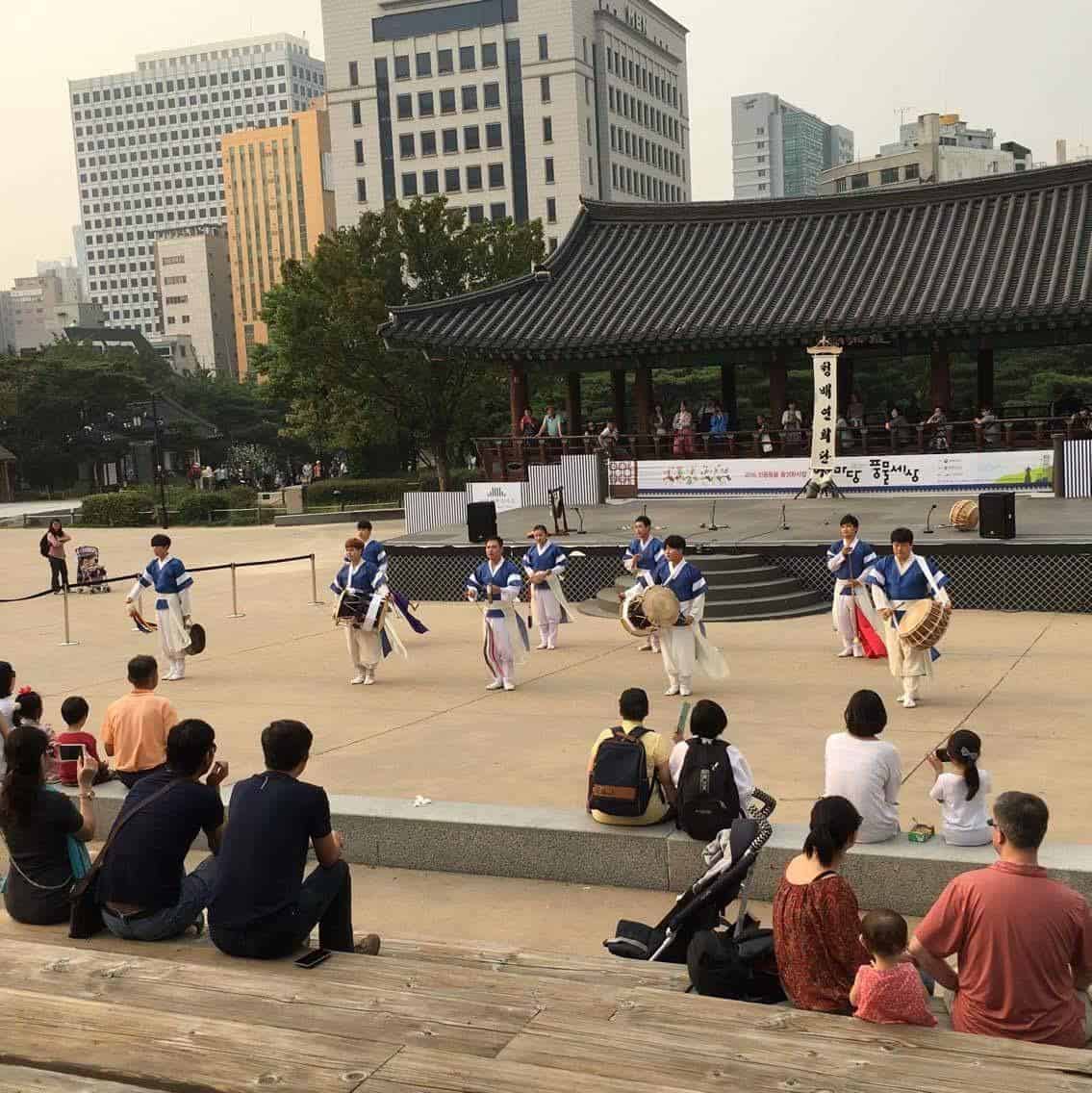
See a Cultural Performance at Jeongdong Theater
Season: Open year round!
Operating Hours: Schedules vary by performance but it’s usually 8:00 PM; visit Jeongdong Theater’s website for more information
Location: 43 Jeongdong-gil, Jeong-dong, Jung-gu, Seoul
Estimated Cost: Standard seats: ₩20,000; Premium seats: ₩30,000
Where’s the most authentic place to see traditional Korean performances without sacrificing quality? In Seoul, Jeongdong Theater is the best place for this, as the stars take the stage for a musical demonstration of the Korean instrument gayageum, and a lyrical storytelling show (pansori).
If you have the time, you might even want to let loose and join the farmer’s dance (samul nori) held every evening in the courtyard.
Seoul Global Cultural Center
Season: Open year round
Opening Hours: 10:00 AM to 7:00 PM (closed Mondays & holidays)
Location: 27 Myeongdong 8-gil, Jung-gu, Seoul; Myeongdong Station (Line 4, Exit 6)
Estimated Cost: ₩-₩₩₩
This crash course on Korea is perfect if you have a limited stay but would still like to experience some traditional classes. Just head over to the Global Cultural Center, where foreigners are encouraged to learn anything and everything about Seoul.
This center is also the best source of cultural programs, and they often invite people distinguished in theirs fields to teach the programs. It’s also fun to come here if you’re looking for Korean and international friends, because ultimately this is a hub for young people interested in Korean culture.
🎫 Things to Do in Seoul for KPop Fans
HYBE Insight
Season: Open year round
Opening Hours: open daily; 11:00 AM to 7:00 PM
Location: 42, Hangang-daero, Yongsan-gu, Seoul; Sinyongsan Station (Line 4, Exit 2)
Estimated Cost: Ticket: ₩22,000; Ticket with photocard: ₩25,000
If you’re a fan of any HYBE artists, you should book your reservation by installing the HYBE Insight app and selecting the day you want to come. Make sure to do that in advance, because there will be plenty of people waiting in line with you (though I managed to schedule my ticket on the same day).
The museum area is mostly BTS stuff, but it also gives visitors an overview of various aspects of the music industry, like music production, stage preparation, and the numerous awards groups have won.
You also get to see stage costumes up close and even ‘smell’ the song Euphoria. At the end there’s a shop that sells various merchandise, and there’s always a clearance section, so save some time at the end for a bit of shopping.
SMTOWN Hologram Musical and Museum
Season: Open year round
Opening Hours: Open from 11:00 AM to 9:00 PM
Location: 5F, 513, Yeongdong-daero, Gangnam-gu, Seoul; Samseong Station (Line 2, Exit 5)
Estimated Cost: ₩30,000
SM Artists are known for their dynamic and eye-catching performances, and the celebrities they represent have striking visuals that are sure to leave you breathless. Sadly, it’s difficult to get a ticket to see them up close in a concert… but perhaps this would suffice?
Like the holographic show in Everland, this is a surround-sound theater that lets you have an immersive experience of a broadway show titled “School of Oz.” However, the performers also happen to be very familiar names like EXO’s Suho and Red Velvet’s Seulgi.
Visit the Hallyu K-Star Road
Season: Open year round
Opening Hours: open 24 hours
Location: 407, Apgujeong-ro, Gangnam-gu, Seoul; Apgujeong Rodeo Station (Line 3, Exit 2)
Estimated Cost: Free
K-Pop enthusiasts this as the road where legends have graced us with their presence. Aside from being the former home of the big entertainment companies (you can easily go see where SM Entertainment used to be), you get to see the fascinating GangnamDols.
These are large round figures with the body of a bear dressed in the representative colors of famous K-Pop groups. See if you can spot all 17!
K-Pop Dance Lesson
Season: Open year round
Opening Hours: Available only MWF; 1:00 PM to 2:30 PM
Location: B1, 103, Donggyo-ro, Mapo-gu, Seoul; Mangwon Station (Line 6, Exit 1)
Estimated Cost: ₩50,000
K-Pop fans who are in Seoul for a week might want to squeeze this opportunity in. Along with your fellow K-Pop enthusiasts, experience what it’s like to learn the choreography of your favorite bands.
Ranging from BTS and Blackpink to Seventeen, you’ll learn the core moves of their popular songs, so you can recreate the dance at home afterwards. You don’t have to be an amazing dancer to be part of this class, and all ages are welcome. Make your reservation by visiting their website.
K-Pop X Korean Drums (BEAT TA Movement)
Season: Open year round
Opening Hours: Open daily; Weekdays: 1:00 PM to 9:00 PM; Weekends: 2:00 PM to 9:00 PM
Location: 38-6, Daehak-ro 11-gil, Jongno-gu, Seoul; Hyehwa Station (Line 4, Exit 4)
Estimated Cost: ₩35,000
Don’t limit your Seoul itinerary to sightseeing and food— try your hand at hitting Korean traditional drums while listening to popular K-Pop beats. Aside from giving you a workout (it’s not as easy as you think), you’ll learn short choreography like Jungkook’s nanta drum routine.
Like the other Seoul experiences listed here, you’ll have to make a reservation first. Book by visiting their Naver Café or shoot them an email.
🧒 Things to Do in Seoul With Kids
Visit Rabbit Park in Seorae Village
Address: 96-7 Banpo-dong, Seocho-gu, Seoul, South Korea
Closest Metro: Express Bus Terminal Station Line 7
Seorae Village is a charming neighborhood in the heart of Seoul that's known for its French-inspired architecture and cuisine. One of the highlights of the area is Rabbit Park, a small but popular park that's home to a number of cute rabbits.
Visitors can enjoy a picnic in the park or simply relax and watch the rabbits play, so it's it's one of the best things to do in Seoul for families with young children - just don't let them pet the wild bunnies!
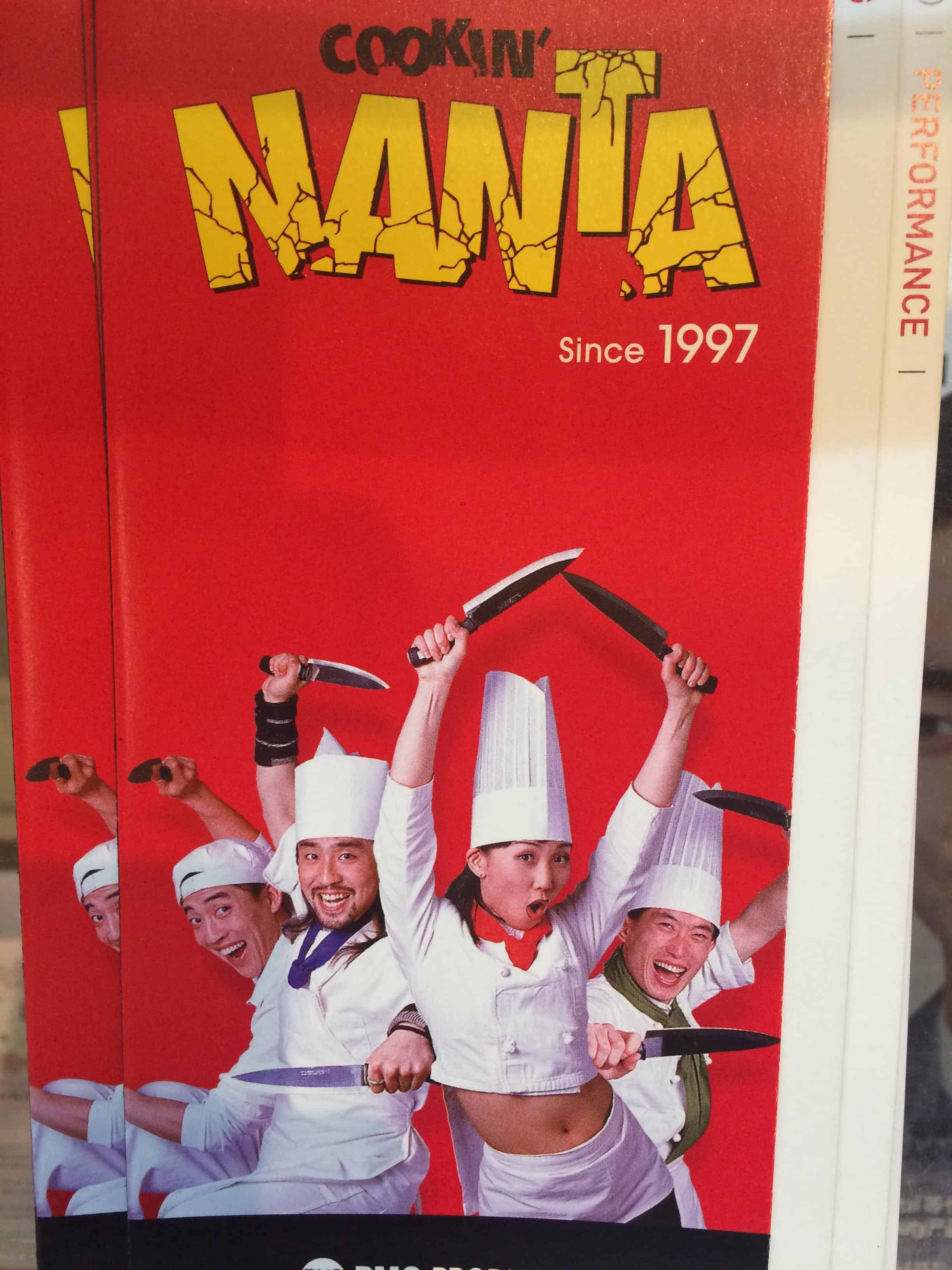
See the Non-Verbal Musical Cookin’ Nanta
Address: South Korea, Seoul, Jung-gu, Myeongdong-gil, 26 유네스코회관
Closest Metro: Euljiro 1 (il)-ga Station Line 2
Cookin' Nanta is a hilarious and highly entertaining musical performance that incorporates cooking, music, food, and comedy. The actors use kitchen utensils and ingredients as instruments, and perform acrobatic stunts while whipping up dishes on stage.
The show is non-verbal & high-energy, so language barriers won't be an issue. After all, the humor is universal. The performance requires audience participation, making it a great way to experience Korean culture through entertainment.
The show is popular, so be sure to book your tickets for either Hongdae or Myeongdong in advance.
Pass an Afternoon at LEGO LAND
Address: 128 Hajungdo-gil, Chuncheon-si, Gangwon-do, South Korea
Closest Metro: Chuncheon Station Gyeongchun Line
LEGO LAND is a new indoor theme park in Seoul that is dedicated to all things Lego. It features a variety of attractions and activities for visitors of all ages, including LEGO building workshops, interactive rides, and a 4D cinema.
It's a very kid-friendly way to spend an afternoon in Seoul, but honestly, it's pretty great as an adult, too.
Drink From a Toilet at the Poop Cafe
Address: Jongno-gu, Seoul South Korea
Closest Metro: Anguk Station Line 3
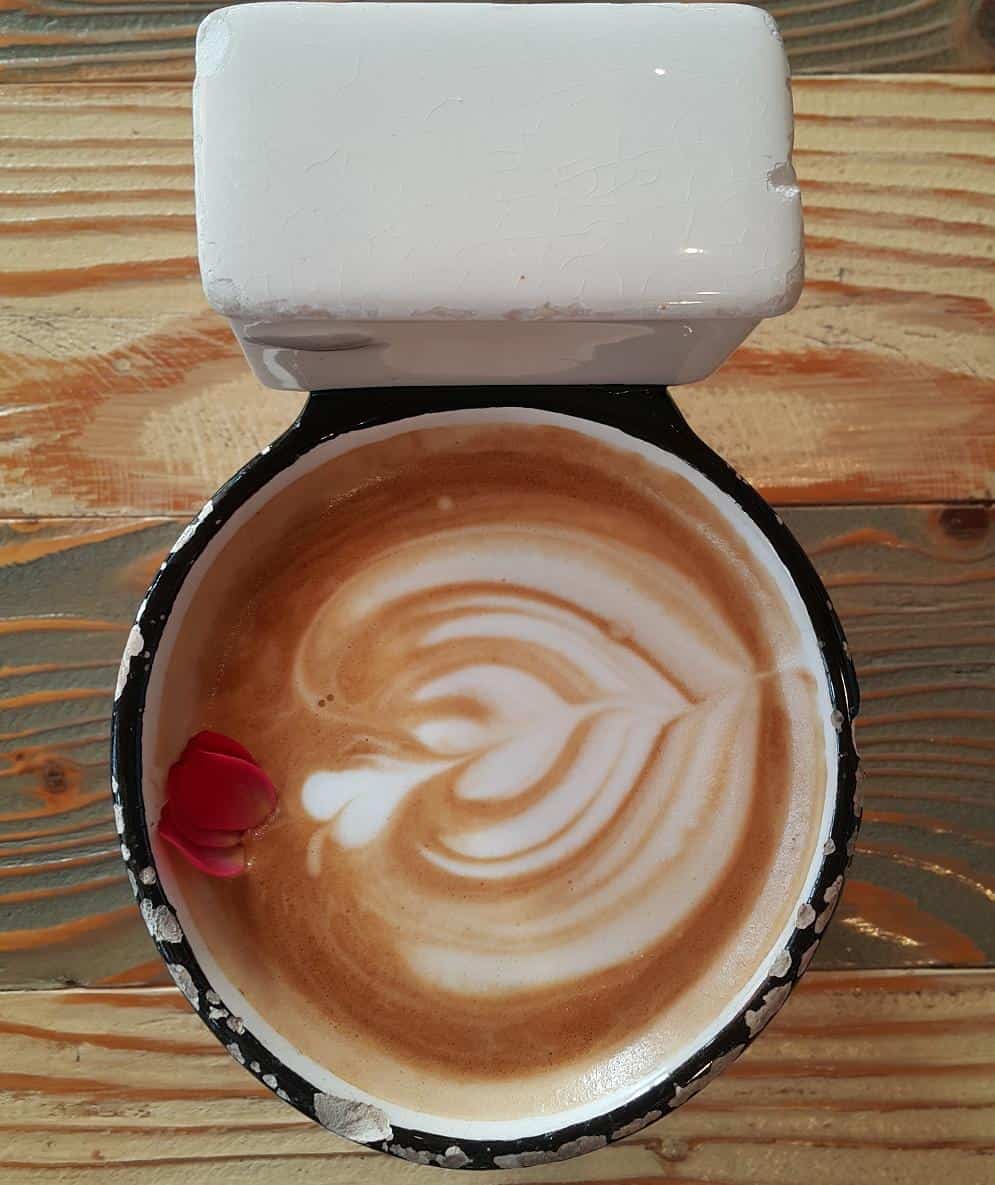
For an offbeat and quirky experience, the Poop Cafe in Insadong is a must-visit. Visitors can enjoy a variety of food and drinks, including rose lattes and spaghettis served in toilet-shaped cups & bowls. It's a unique and memorable way to enjoy a cup of coffee or memorable lunch.
Explore the National Children’s Science Center
Address: 215 Changgyeonggung-ro, Jongno-gu, Seoul, South Korea
Closest Metro: Hyehwa Station Line 4
The National Children’s Science Center is an excellent activity for families with young children. It offers interactive exhibits and hands-on activities that teach children about science and technology, and keeps them entertained for hours.
It's a fun and educational way to spend the day with your kids in Seoul and learn something new together, not to mention leaving them with a host of good memories from your trip to Korea.
Scavenger Hunt in Seoul Olympic Park
Address: 424 Olympic-ro, Songpa-gu, Seoul, South Korea
Closest Metro: Hanseong Baekjae Station Line 9
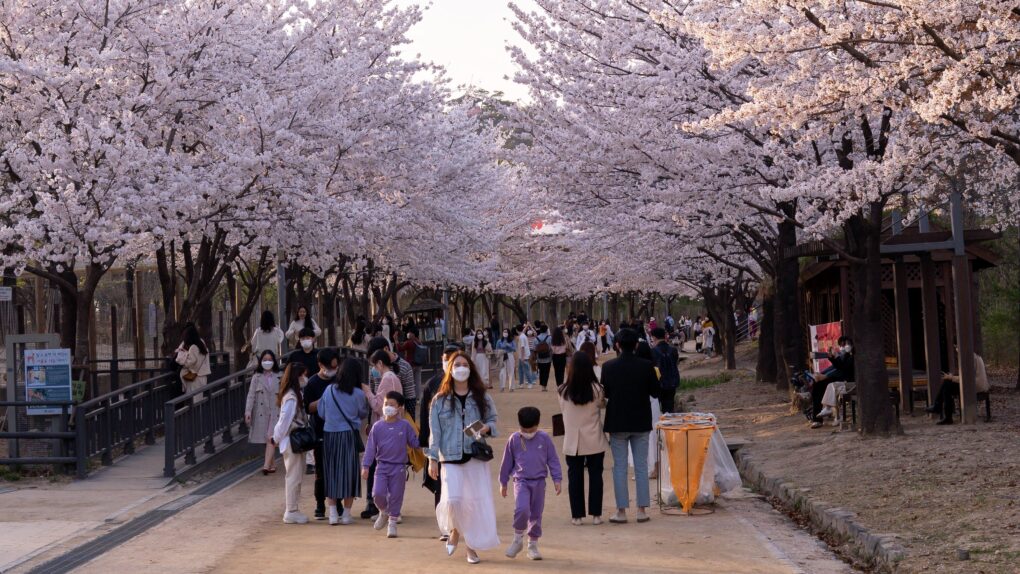
The Seoul Olympic Park was constructed for the 1988 Summer Olympics and remains a popular destination for sports and cultural enthusiasts alike. The park covers a vast area and is home to several disparate facilities, including the Olympic Stadium, the World Peace Gate, the Olympic Museum, and the indoor Olympic Gymnastics Hall.
The park is also an ideal location for outdoor activities such as cycling, jogging, and picnicking. Visitors can also participate in various cultural events and activities such as music concerts, dance performances, and art exhibitions, in addition to the city-sponsored scavenger hunt.
Spend the Day at Seoul Grand Park
Address: 102 Daegongwongwangjang-ro, Gwacheon-si, Gyeonggi-do, South Korea
Closest Metro: Seoul Grand Park Station Line 4
Seoul Grand Park is a family-friendly destination and a perfect place for a day out. The park is a vast area and is home to Seoul Land amusement park, the Seoul Zoo, and the Children's Zoo. The main attraction, Seoul Land amusement park, offers a range of rides and attractions that include roller coasters, water rides, and other immersive activities.
Seoul Zoo is also one of the largest zoos in Asia, featuring over 3,000 animals from around the world. Visitors can see a wide variety of animals, from tigers and lions to elephants and bears.
Children’s Folk Museum
Season: Open year round
Opening Hours: Open daily; 9:00 AM to 5:30 PM
Location: 37 Samcheong-ro, Jongno-gu, Seoul; Gwanghwamun Station (Line 5, Exit 2)
Estimated Cost: Free
The Children’s Folk Museum of Korea, a museum inside Gyeongbokgung Palace, has introduced an interactive way to engage children in learning more about Korean culture and folklore. If you’re visiting Korea with kids, this is the best place to give them an engaging experience about Korea’s illustrious past.
Everland Amusement Park and Caribbean Bay
Season: Summer & Spring
Opening Hours: Open daily; from 9:00 AM to 9:00 PM
Location: 199 Everland-ro, Pogok-eup, Cheoin-gu, Yongin-si, Gyeonggi-do, Republic of Korea
Estimated Cost: All-Day Passes for Everland: ₩33,000; Caribbean Bay: ₩48,000
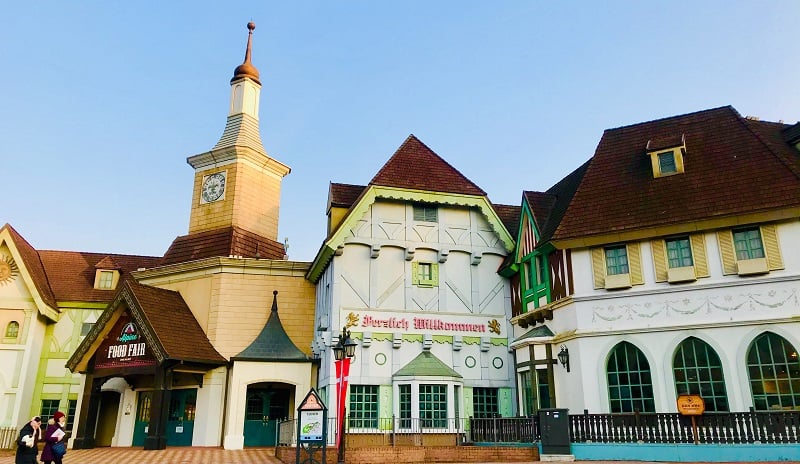
Everland is known as the land of dreams and wonder. The park has five themed zones; at least one of which is sure to entertain you. Those who haven’t traveled to other parts of the world may want to swing by the park’s Global Fair, where cultural activities from other parts of the world are performed.
Some may also want to have a taste of what’s next on the neo-futuristic rides in the American Adventure. If you’d rather see animals than people, there’s the World Wild Tram that lets you see them up close. There are plenty of activities in store for you in Everland, whatever your interests.
Seoulland
Season: Summer
Opening Hours: open daily from 9:30 AM to 6:00 PM; sometimes extended to 10:00 PM
Location: Seoulland, 181, Gwangmyeong-ro, Gwacheon-si, Gyeonggi-do; Grand Park Station Subway (Line 4, Exit 2)
Estimated Cost: Adults: ₩ 49,000; Teens: ₩ 46,000; Children: ₩43,000
Your vacation in Seoul wouldn’t be complete if it didn’t have a visit to a theme park. As the first theme park ever created in Korea, Seoulland provides a range of entertainment, complete with seasonal events that you shouldn’t miss.
For instance, in the summer they throw the Summer Music Water Wars here, a festival where people can spray each other with water guns and dance along to the music. This theme park also provides discount coupons to foreigners for a day experience, if you buy through their site, so be sure to check it out before booking your ticket.
Lotte World Amusement Park
Season: Open year round
Opening Hours: Open daily; 9:00 AM to 11:00 PM
Location: 240 Olympic-ro, Songpa-gu, Seoul; Jamsil Station (Line 2 or 8, Exit 4)
Estimated Cost: Adults: ₩36,000; Children: ₩29,000
Perhaps the most popular amusement park in Korea, conveniently located in the heart of the city, Lotte World is a fun destination for families. Even though most of the rides are geared towards children, there are still so many things to see in other parts of the complex.
Fun Fact: some people rent school uniforms to wear around the park, just for the heck of it. It’s pretty kitschy, but a fun activity if you want a flashback to your younger years.
COEX Aquarium
Season: Open year round
Operating Hours: Open daily; 10:00 AM to 9:00 PM
Location: 513 Yeongdong-daero, Gangnam-gu, Seoul; Samseong Station (Line 2, Exit 5 & 6)
Estimated Cost: Adults: ₩28,000; Children: ₩24,000; Senior Citizens: ₩20,000
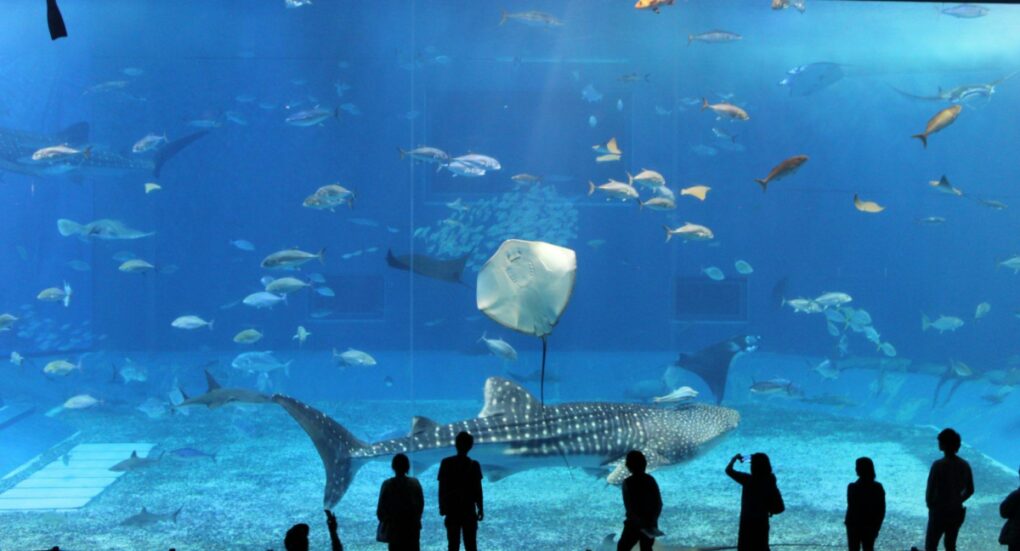
Ever pondered what it might be like to be underwater? Although there are bigger public aquariums available, this one nonetheless boasts a remarkable collection of over 650 aquatic species in rather spacious tanks.
The whole family will undoubtedly enjoy seeing the fish swim around and above the glass arched tunnel. There’s also an area that lets visitors assist the keepers by feeding and petting them, making it a very interactive experience.
VAUNCE Trampoline Park Seoul Samseong Center
Season: Open year round
Operating Hours: Open daily; 10:30 AM to 8:00 PM
Location: 325 Yeongdong-daero, Daechi-dong, Gangnam-gu, Seoul; Samseong Station (Line 2, Exit 3)
Estimated Cost: ₩25,700
Even though this trampoline park is marketed to kids, this is also the perfect activity for adults who want to do a full-body workout. There’s no shortage of obstacle courses, and children can climb and rappel with no worries, knowing they can bounce back up safely.
See if you can spring higher than your favorite basketball star in their basketball court ,with floors made out of trampolines!
Play in a Kids Café (Tayo Café)
Season: Open year round!
Operating Hours: Open daily; 10:00 AM to 8:00 PM
Location: 16 Boramae-ro 5ga-gil, Dongjak-gu, Seoul; Boramae Medical Center Station (Shillim Line, Exit 2)
Estimated Cost: Adults (accompanying children): ₩3,000; Children: ₩12,000 (non-members) or ₩10,000 (members); Children under 12 can enter for free (bring passport or birth certificate for proof); Restaurant: ₩-₩₩
Tayo the Little Bus is the famous cartoon character seen in every toy showroom in Korea. Every kid knows who this friendly blue bus is, likely including your child. Because Tayo is such a beloved character, Korea has put up various Tayo Cafés so that kids can come interact with Tayo and his crew.
Despite the fact that this is mainly a little jungle gym, it is also known for having better food compared to other kids cafes in Seoul.
💑 Things to Do in Seoul for Couples
Picnic at Yeouido Hangang Park
Season: Spring
Operating Hours: open 24 hours
Location: 330 Yeouidong-ro, Yeongdeungpo-gu, Seoul; Yeouinaru Station (Line 5, Exit 3)
Estimated Cost: ₩-₩₩₩
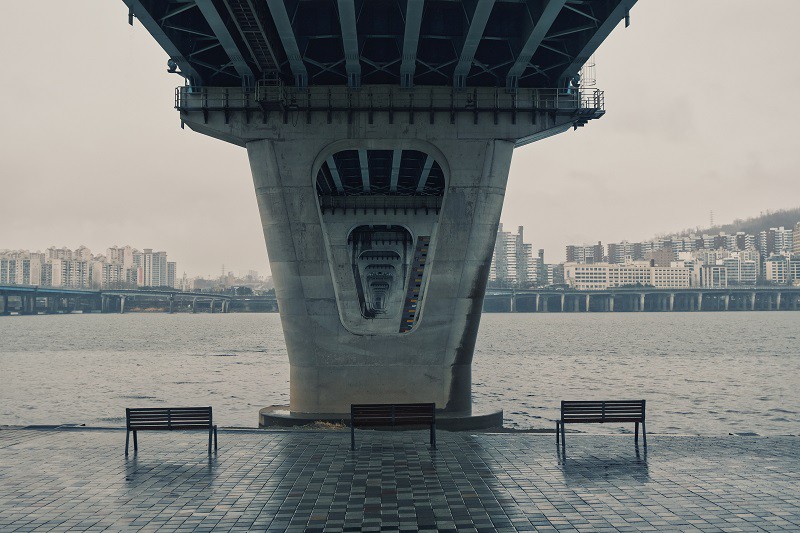
If you’re looking for a good time with your date but you’re still unsure what they would like, Yeouido Hangang Park has everything you need. There’s delicious street food, performers, and cafes, plus the breathtaking night view of the Han River as it reflects the glittering city lights.
Almost every night, buskers come to serenade lovers as the night cruise sails by. It’s a beautiful sight to see, and you shouldn’t miss it if you’re in Seoul with your partner.
Cruise the Night Away (E-Land Cruise Yeouido Dock)
Season: Spring & Fall
Operating Hours: (Sunset Cruise) April to October: 6:00 PM and November to March: 5:00 PM; (Starlight Cruise) 8:00 PM; (Moonlight Cruise) 9:30 PM
Location: 290 Yeouidong-ro, Yeongdeungpo-gu, Seoul; Yeouinaru Station (Line 5, Exit 3)
Estimated Cost: Sunset Cruise: ₩20,800; Starlight Cruise: ₩24,600; Moonlight Han River Cruise: ₩28,500
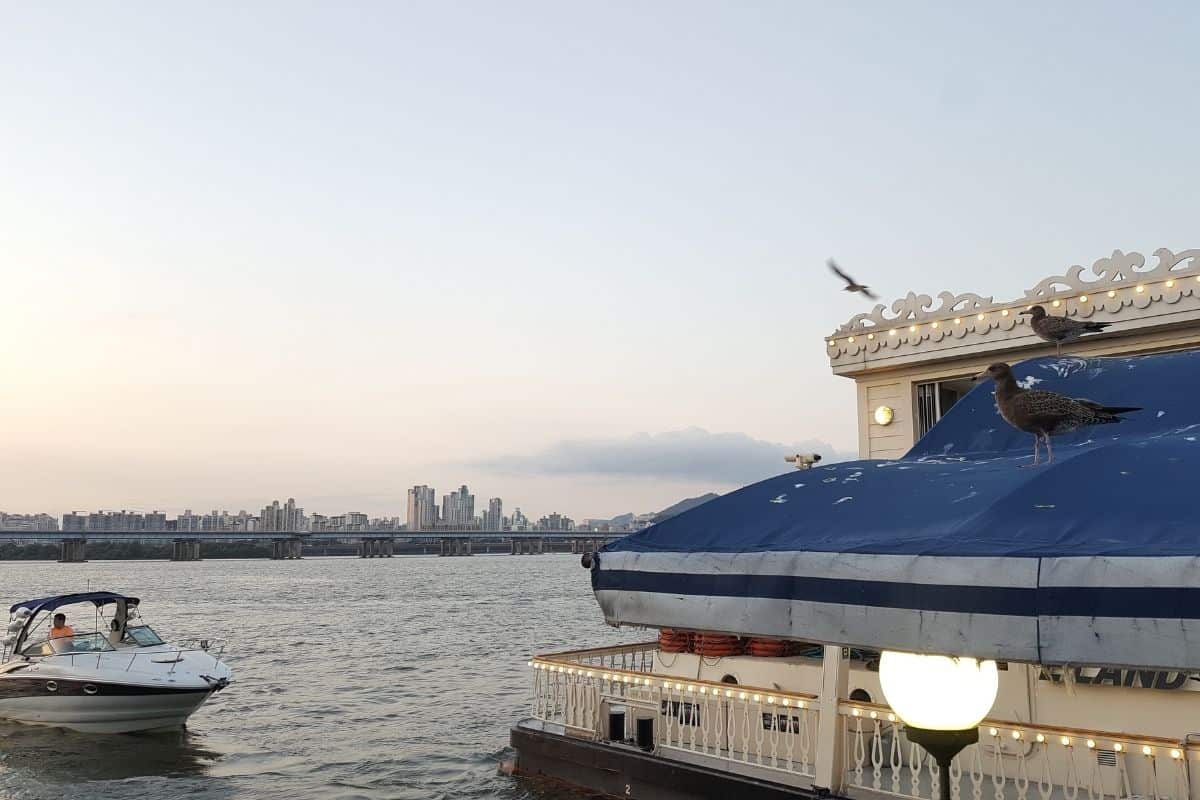
Another way to make your date memorable is to ride any of the Han River cruises in Yeouido Hangang Park. All of these cruises offer good food (optional) and romantic live bands (included).
The only difference is the route and the experience, but every cent is worth it because these cruises take you to the beautiful landmarks next to the Han river, such as the Banpo Rainbow Bridge, the Some Sevit Islands, the Seogang Bridge, and the night view of the Bamseom Island.
See a Show at the Seoul Arts Center
Address: 2406 Nambusunhwan-ro, Seocho-gu, Seoul, South Korea
Closest Metro: Nambu Bus Terminal, Exit 4-2
How Long to Spend: 2-3 hours
The Seoul Arts Center is a cultural complex that plays host to performances and events open to the public throughout the year (tickets need to be purchased individually). The center is located in the heart of the city and features several performance spaces, including an opera theater, a concert hall, a theater, and a small hall.
The center also houses a library, a souvenir shop, and several restaurants. Visitors can enjoy performances, exhibitions, and cultural events throughout the year, including classical music, opera, theater, and dance.
Take a Bike Tour of the City
How Long to Spend: 3 hours
Seoul is a great city to explore by bike, and there are a number of guided bike tours available that take you through some of the city's most scenic neighborhoods and landmarks.
These tours provide visitors with a fun way to explore the city's rich history and culture while getting some exercise and fresh air. One popular tour is the Seoul Bike Tour, which takes you through the city's traditional markets, temples, and palaces.
Rent a Hanbok (Korean Traditional Clothes)
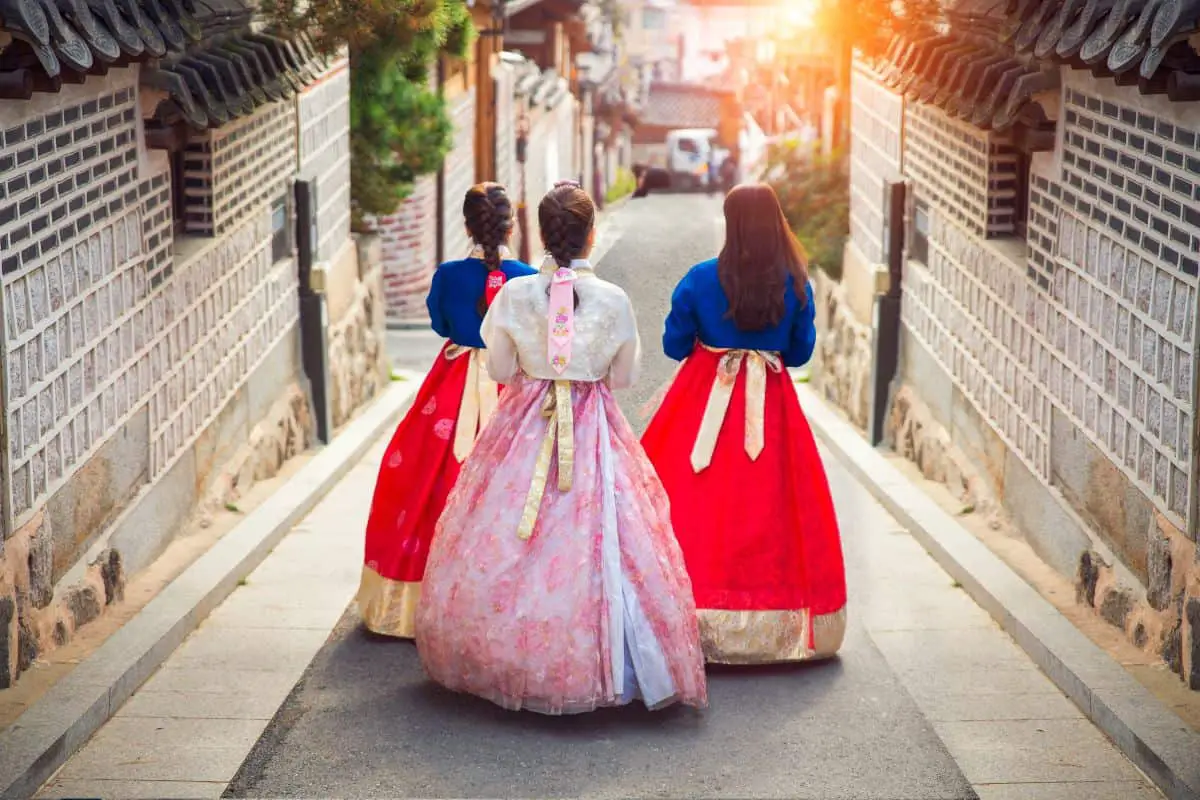
A hanbok is a traditional Korean outfit still worn by Koreans on special occasions to this day. Wearing one is a fun way to experience Korean culture and history, as hanboks come in various colors and designs, including modern styles (which you can also rent; I bought one on my last return to Seoul).
You can rent hanboks at dozens of shops throughout Seoul (for both men & women). Once you're dressed up, then you can take photos in various traditional settings and even walk around the streets of Seoul.
Note that some areas (like Myeongdong) may be crowded with other hanbok-wearing tourists. But if you're wearing a hanbok, admission to all five palaces in Seoul is also free, so that rental fee practically pays for itself!
Watch the Rainbow Bridge at Banpo Park
Address: 40 Sinbanpo-ro 11-gil, Seocho-gu, Seoul, South Korea
Closest Metro: Express Bus Terminal, Exit 8-2
How Long to Spend: 30 minutes-1 hour
Banpo Hangang Park is a popular spot in Seoul from which to watch the Rainbow Fountain Bridge, which is the world's longest bridge fountain. Every night around 7pm the bridge lights up at night in a rainbow array of colors, and shoots water jets over them, creating a beautiful and mesmerizing display.
Visitors can watch the show from the park or from a cruise on the Han River, which depart every night at sundown. The park also offers a variety of activities such as bike rentals, picnic areas, and a playground for children.
Since the park is located near the bustling upscale neighborhood of Gangnam, visitors can explore a variety of shops, restaurants, and nightlife spots after an evening stroll during warmer months.
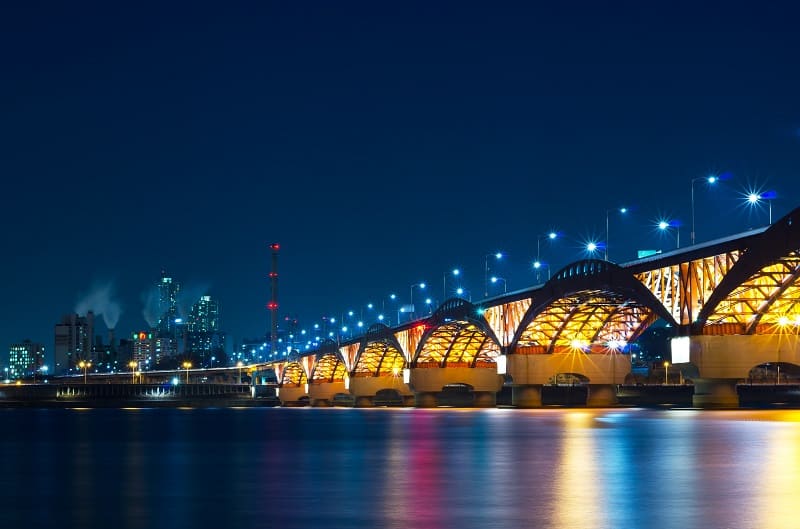
Itaewon Antique Furniture Street
Address: Itaewon-dong, Yongsan-gu, Seoul, South Korea
Closest Metro: Itaewon Station Line 6
How Long to Spend: 30 minutes-1 hour
Itaewon Antique Furniture Street is a unique & quirky area of Seoul that offers a glimpse into Korea's past. These days the area is famous for its antique furniture shops, originally established after the Korean War, where visitors can find a variety of one-of-a-kind pieces of furniture.
Options can range from traditional Korean furniture to mid-century modern designs, though thanks to the nearby army base, options now are mostly American-style. The street is lined with shops that are housed in traditional Korean buildings, adding to the rustic charm of the area.
A stroll down the street offers a chance to find unique pieces that can add character and style to any home (though think of how you'd get it home), and visitors can enjoy browsing the shops and exploring the surrounding foreigner-friendly neighborhood.
Tour Myeongdong Cathedral
Address: 74 Myeongdong-gil, Jung-gu, Seoul, South Korea
Closest Metro: Myeong-dong Station Line 4
How Long to Spend: 30 minutes-1 hour
Myeongdong Cathedral is the birthplace of Catholicism in Korea, and actually has quite the fascinating story behind it. The cathedral's architecture is breathtaking, and you can take a tour of the building to learn more about its history and significance.
It's a great place to visit if you're interested in Korean religion, history, or architecture.
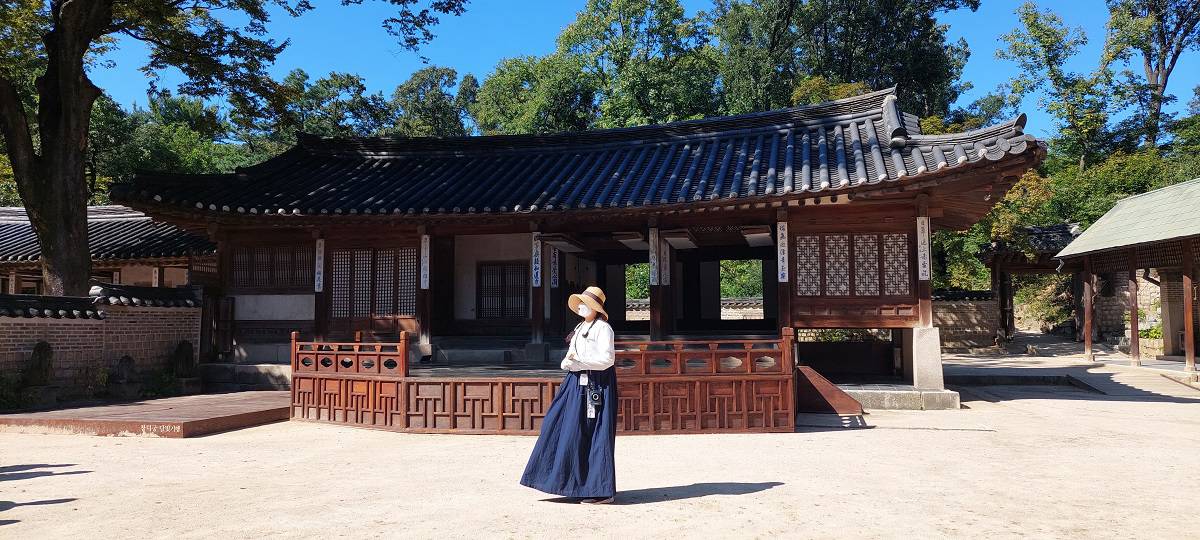
Explore the Secret Garden at Changdeokgung Palace
Address: 99 Yulgok-ro, Jongno-gu, Seoul, South Korea
Closest Metro: Jongno 3 (sam)-ga Station Line 5
How Long to Spend: 1-2 hours
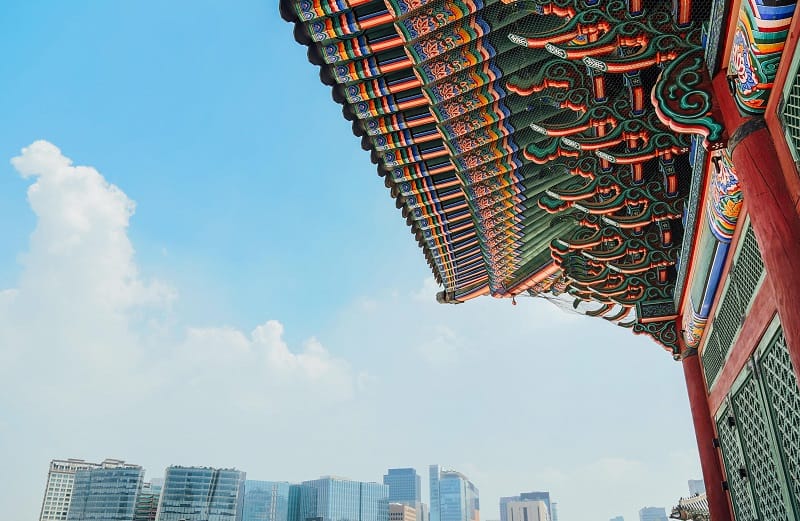
Changdeokgung Palace is one of the most well-preserved royal palaces in Seoul, and was even designated as a UNESCO World Heritage Site in 1997. The palace is renowned for its traditional Korean architecture, including its painted wooden structures, which blend in beautifully with the natural surroundings.
It's also been the site of filming for numerous Korean dramas (TV shows) over the years, most commonly in the Secret Garden. The palace's Secret Garden, also known as the huwon, is located behind the main grounds and features a beautiful collection of ponds, pavilions, a royal shrine, and bridges that are a highlight of most people's visit.
You can also attend traditional Korean cultural performances and events, such as the reenactment of the royal court's life, which adds to the overall experience. Visitors can take a guided tour of the garden and learn about its history and significance when touring the palace.
Fun Fact: gung in Korean means 'palace,' so Gyeongbokgung is actually 'Gyeongbok Palace.'
Soar Above Seoul in a Cable Car (N-Seoul Tower)
Season: Spring
Operating Hours: 10:00 AM to 11:00 PM
Location: 83, Sopa-ro, Jung-gu, Seoul; Myeongdong Station (Line 4, Exit 3)
Estimated Cost: Adult: (Return) ₩9,500 or (One-Way) ₩7,000; Children: (Return) ₩6,500 or (One-Way) ₩4,000
If you and your partner aren’t afraid of heights, then I recommend riding the Namsan Cable Car together, preferably around sunset. Starting from the top of N Seoul Tower (or heading there!), you can look out over the entire city for several minutes, taking in a view that extends for many miles on clear days.
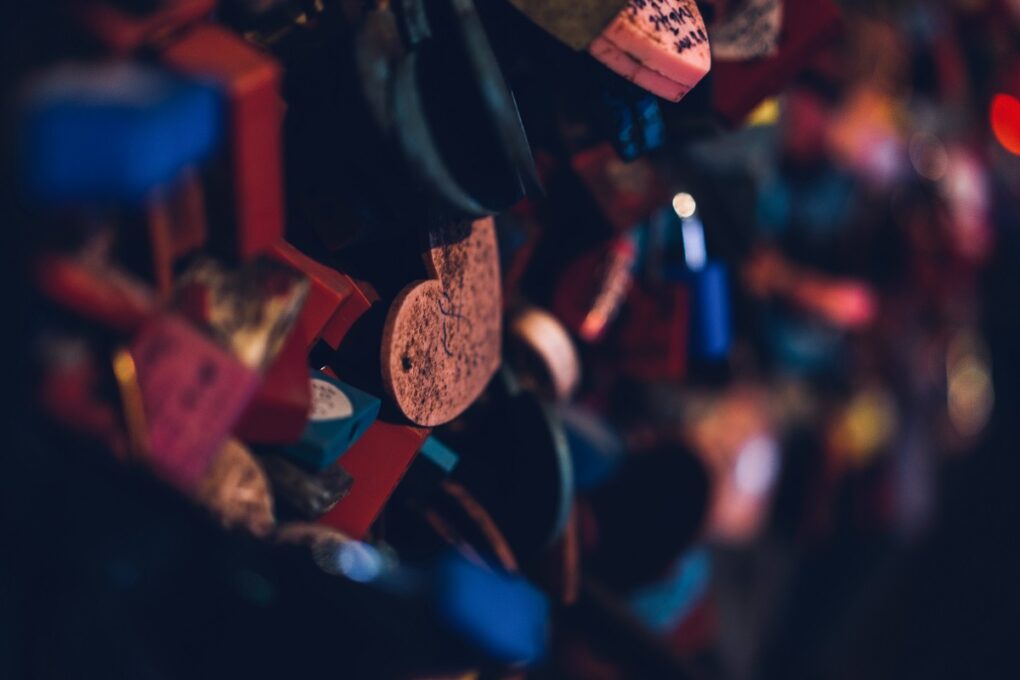
Lock Your Relationship In (N-Seoul Tower)
Season: Open year round
Operating Hours: 10:00 AM to 11:00 PM (midnight on Saturdays)
Location: 105, Namsangongwon-gil, Yongsan-gu, Seoul; Chungmuro Station (Line 3, Exit 2)
Estimated Cost: Adults & Teens: ₩11,000; Children: ₩9,000
What’s another way of telling your special someone that they mean a lot to you? Bring them to N-Seoul Tower Love Locks, Korea’s version of Paris’s Pont de l’Archevêché. It’s a sweet and thoughtful gesture, because attaching a lock with both your names on it is said to be a symbol of your love for each other.
The locks are all situated at the foot of the tower, alongside those of other couples who previously embarked upon this romantic pilgrimage. Many couples then choose to end their romantic day in one of the restaurants in the tower.
Complete Obstacles Together (Dynamic Maze)
Season: Open year round
Operating Hours: open daily 11:00 AM to 6:00 PM (ast admission: 5:00 PM)
Location: B1, Daeil Building, 12, Insadong-gil, Jongno-gu, Seoul
Estimated Cost: ₩12,000 (all ages)
If you’re looking for a challenging thing to do, why not try to navigate this indoor adventure maze? Best for couples (because only 2 people can go in at the same time); test your teamwork as you power through obstacles full of bouncy balls, nets, and even challenges.
Your goal is to unlock the door to the next room, similar to an escape room. You shouldn’t miss this if you are in Insadong, though sadly you can’t book in advance. Remember to wear pants!
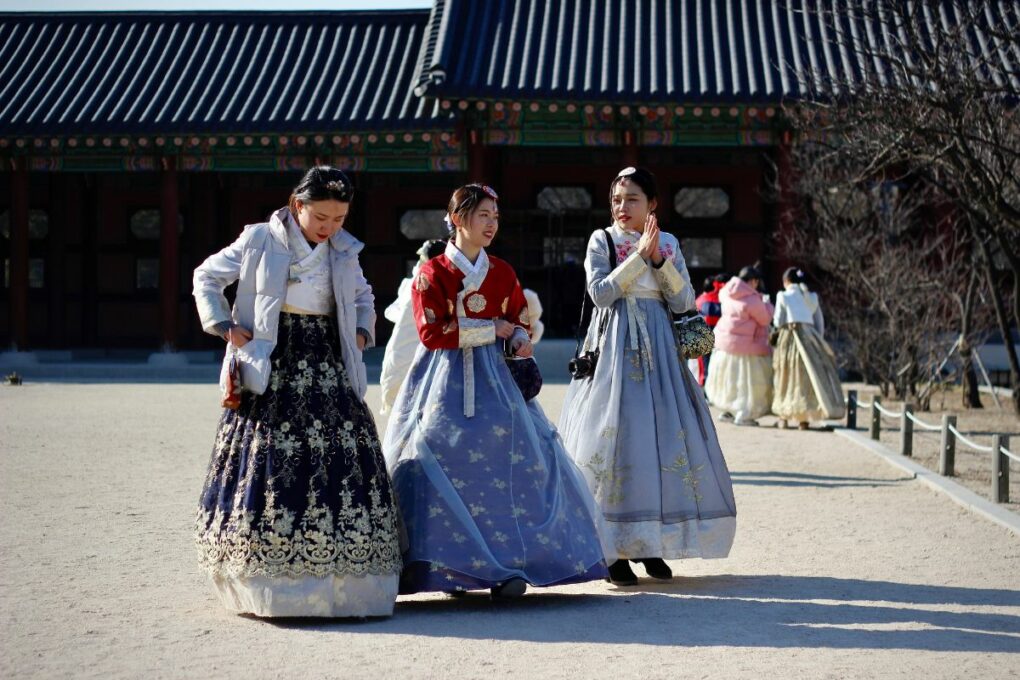
Gyeongbokgung in Hanbok at Dusk
Season: Open year round
Opening Hours: open daily 10:00 AM to 6:00 PM
Location: 12 Hyoja-ro, Jongno-gu, Seoul; Gyeongbokgung Station (Line 5, Exit 5)
Estimated Cost: (Hanbok Rental) ₩8,000; (Gyeongbokgung Palace) Free – because people who come in hanboks can enter for free
Embark on a mini time travel adventure as you don traditional Korean outfits, called hanboks, and witness Gyeongbokgung at night. Here you can stroll together and watch the palace grounds beautifully light up Gyeonghoeru Pavilion, most especially when the moon is full.
The front of Geunjeongjeon Hall is a popular spot for couples to pose together, making it the perfect picture to put in your couple photo album.
Yongma Land Abandoned Theme Park
Season: Open year round
Operating Hours: open daily 10:00 AM to 6:00 PM (but some people ghost hunt past 8:00 PM)
Location: 18 Mangu-ro 70-gil, Jungnang-gu, Seoul; Mangu Station (Gyeongui-Jungang Line and Gyeongchun Line, Exit 1)
Estimated Cost: Adults: ₩10,000, Children: ₩5,000; Ghostly Merry-Go-Round after 8:00 PM: ₩30,000
Couples love taking their partners out to watch a scary movie, but why not up the ante? Perhaps the most unusual of the Seoul attractions listed in this post, there’s a small abandoned theme park in Yongma, well-known for its signature rusted, decommissioned carousel and bleached-out posters of 80’s pop culture icons.
Even though there seems to be nothing to do here, influencers still come to participate in its slow demise, using the lot to shoot short homemade horror films and ghost hunting content. Couples, however, love to test how strong their relationship is by taking a silent, eerie stroll around.
🌏 Things to Do in Seoul for Solo Travelers
Shop for Luxury Items at Apgujeong Rodeo Street
Season: Best in Spring
Operating Hours: Open daily, but varies per store
Location: Apgujeong-dong, Gangnam-gu, Seoul-si
Estimated Cost: ₩₩-₩₩₩
Apgujeong Rodeo Street, formerly the hotspot of Korea’s most rich and famous, still holds the title as Seoul’s fashion capital. It’s the location where luxury brands of all kinds have made their homes, including famous brands of shoes, clothing, and accessories.
You don’t have to shop here, but it’s a lovely place to stroll around during the evening. That’s when the sidewalk’s fancy neon lights come to life, and you might even spot some famous names doing a bit of shopping there.
Visit Jongmyo Shrine (UNESCO)
Address: South Korea, Seoul, Jongno-gu, Jong-no 1.2.3.4가동 88-3
Closest Metro: Jongno 3(sam)-ga Station Line 3
Jongmyo Shrine is another Seoul UNESCO World Heritage site, dedicated to the memory of the kings and queens of the Joseon Dynasty. The shrine is an impressive example of traditional Korean architecture, and visitors can quite freely explore the site and learn more about Korea's rich history throughout.
It's a great way to experience the country's physical cultural heritage and learn more about its past.
Visit Gyeongdong Traditional Market
Address: Dongdaemun, Seoul, South Korea
Closest Metro: Jegi-dong Station Line 1
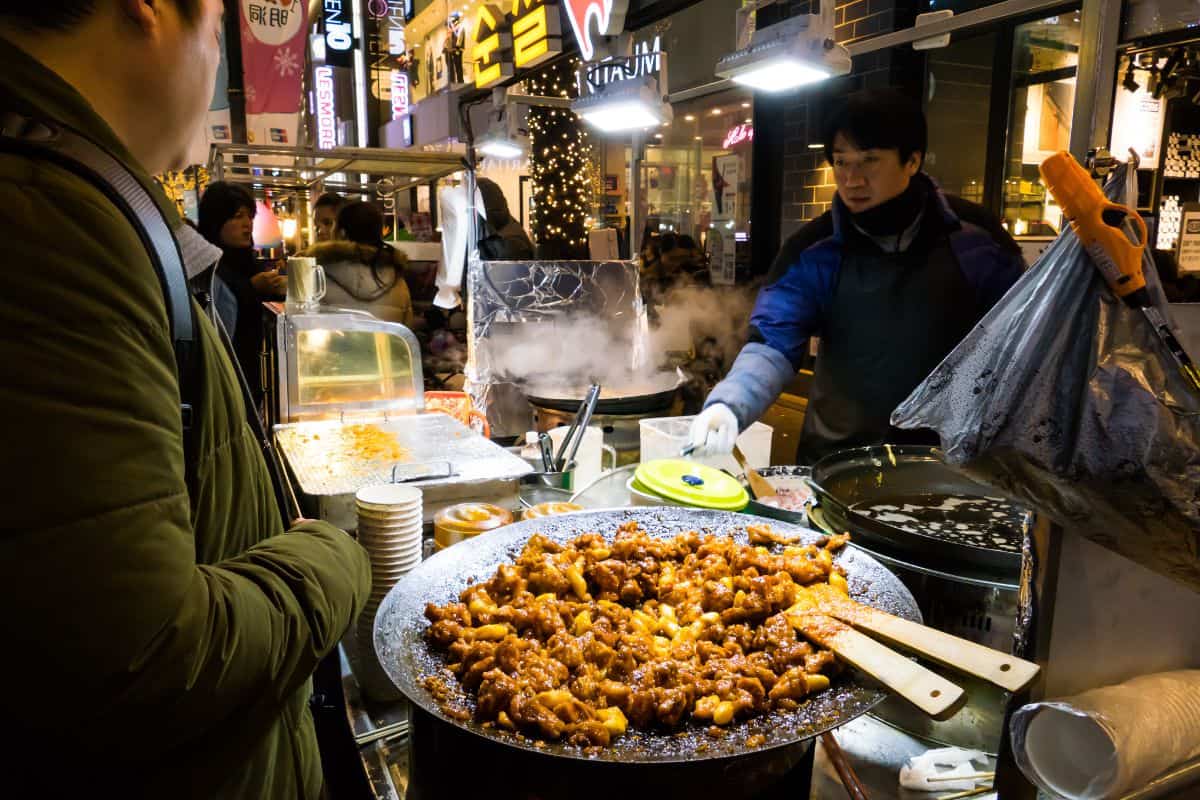
Gyeongdong Traditional Market is one of the largest traditional markets in Seoul, and offers a wide range of seafood, traditional foods, and Korean medicinal herbs that can be otherwise difficult to find. Both locals and tourists frequent the market to browse the various stalls and try out local delicacies such as bindaetteok (mung bean pancake) and tteokbokki (spicy rice cakes).
It also offers traditional Korean souvenirs, such as hanbok (Korean traditional dress) and traditional handicrafts. The market's unique atmosphere and array of products make it an excellent destination for those seeking an authentic Korean market experience.
Taekkyeon Experience
Season: Open year round
Operating Hours: open weekdays from 1:30 PM to 5:00 PM
Location: 4F, 111, Daehak-ro 8ga-gil, Jongno-gu, Seoul; Hyehwa Station (Line 4, Exit 2)
Estimated Cost: ₩40,000 (all ages)
Get the chance to learn Taekkyeon (태껸), or Korean Martial Arts. This fighting style includes hand and foot techniques that throw people off balance. Learning this martial art will link you to Korea’s past, since it’ actually considered to be the oldest martial arts discipline in Korea.
If you wish to book a slot, it is recommended to secure your reservation at least a day in advance through email or their website.
Enjoy Hongdae’s Bustling Youth Scene
Season: Open year round
Operating Hours: Open daily, but varies per store
Location: Hongik University Station (Line 2)
Estimated Cost: ₩₩-₩₩₩
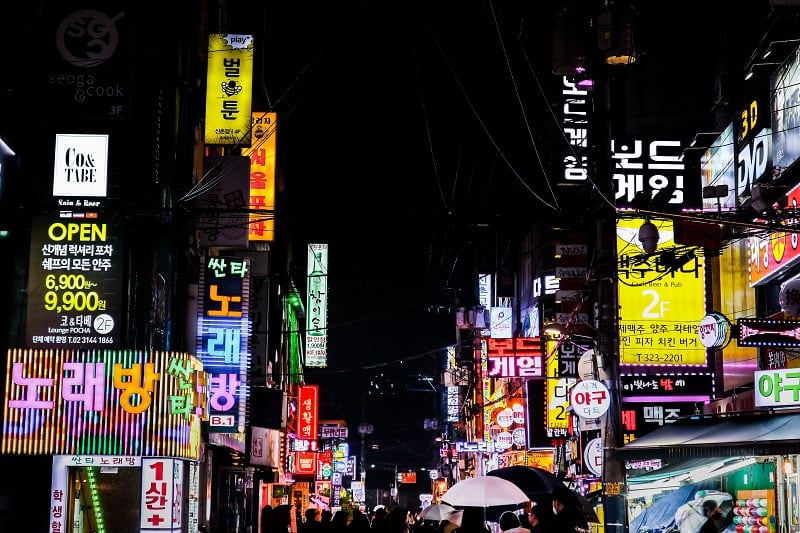
If you’re thinking of seeing Japan’s Harajuku District one day, Seoul also has a version of that: Hongdae. In this area, most especially in “Grafitti Street,” the strip is full of music, art, and cafés, making it the perfect hangout for local youth.
Since it’s also near Korea’s top art university, expect to see art exhibitions, song and dance competitions, and even slam poetry performances in the street. This is also the best place in Seoul to also buy manhwas, or the Korean version of the Japanese manga.
Seoul Nightlife Tour: Pub Crawl
Season: Open year round
Operating Hours: Friday & Saturday; 8:15 PM
Location: Meetups are either in Route66 near Itaewon Station or RetroGameBar between Hongik University Station & Sangsu Station
Estimated Cost: ₩25,000
There are so many popular party destinations in Seoul that you might have a hard time choosing. Eliminate the stress by joining a pub crawl, where you get to skip the lines into four various clubs, with the latter being the most exclusive of them all.
What I love about this activity is that they also have a professional photographer take shots of you, making sure that you looked decent when the morning comes.
🌉 Things to Do in Seoul at Night
Enjoy a Rooftop Sunset Cocktail
Address: The Westin Josun Seoul: 106 Sogong-ro, Jung-gu, Seoul, South Korea
Closest Metro: Euljiro 1 (il)-ga Station Line 2
There are several rooftop bars that offer stunning views of the Seoul city skyline. Visitors can watch the sunset while enjoying a cocktail or even a full meal at restaurants like The Rooftop Bar at Gwanghwamun's The Westin Chosun Seoul, The Griffin Bar at The Emerald Hotel, and Seoulism at the Hamilton Hotel.
These bars offer a wide range of drinks, from traditional Korean rice wines to classic cocktails, and often feature live music or DJ performances. Rooftop bars in Seoul can get quite crowded, especially during peak hours (weeknights around midnight), so I recommend making a reservation in advance if you want a table.
Stroll Along Cheonggyecheon Stream
Address: 1 Cheonggyecheon-ro, Jongno-gu, Seoul, South Korea
Closest Metro: Jonggak Station Line 1
This beautiful stream runs for several kilometers through the heart of the city and is surrounded by lush greenery, making it the perfect place to relax and unwind. You can take a leisurely stroll along the banks of the stream, often finding a night market or festival of some kind going on, especially during weekends.
The stream is especially beautiful at night when the lights reflect off the water, creating a magical, tranquil atmosphere.
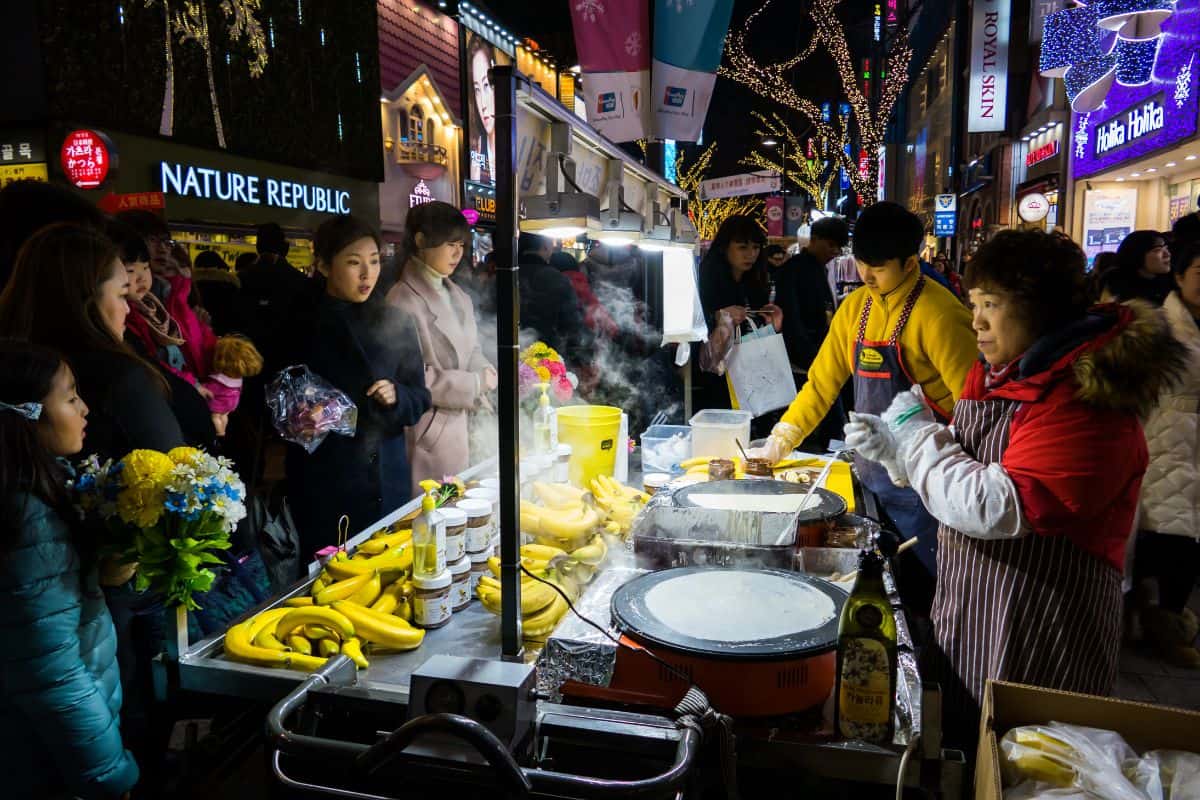
Traditional Street Food at Tongin Night Market
Address: 18 Jahamun-ro 15-gil, Jongno-gu, Seoul, South Korea
Closest Metro: Gyeongbokgung Station Line 3
Walking around Tongin night market trying traditional street food is a must-do activity for foodies visiting Seoul. The market is one of the oldest traditional markets in Seoul and offers an authentic taste of traditional Korean dishes such as tteokbokki (spicy rice cakes), mandu (dumplings), and hotteok (sweet pancakes).
Visitors can buy coins at the entrance and use them to purchase food from the various vendors in the market, who will prepare the food in front of them. Tongin market offers a unique experience to try a variety of dishes in one place and is a great way to explore the many flavors of Korean cuisine.
Sing in a Noraebang
Noraebang is Korean-style karaoke where you can rent a private room with friends, and sing your heart out to your favorite songs. It's a popular activity for both locals and tourists, and many noraebangs offer food and drinks, so you can make a whole night of it.
Whether you're a good singer or not, it's a fun way to spend time with friends, unwind, and let loose. There are hundreds of noraebangs in Seoul, ranging from upscale establishments to more casual ones. Some noraebangs offer private rooms paid by the hour, but most of them are coin noraebangs, meaning they charge per song.
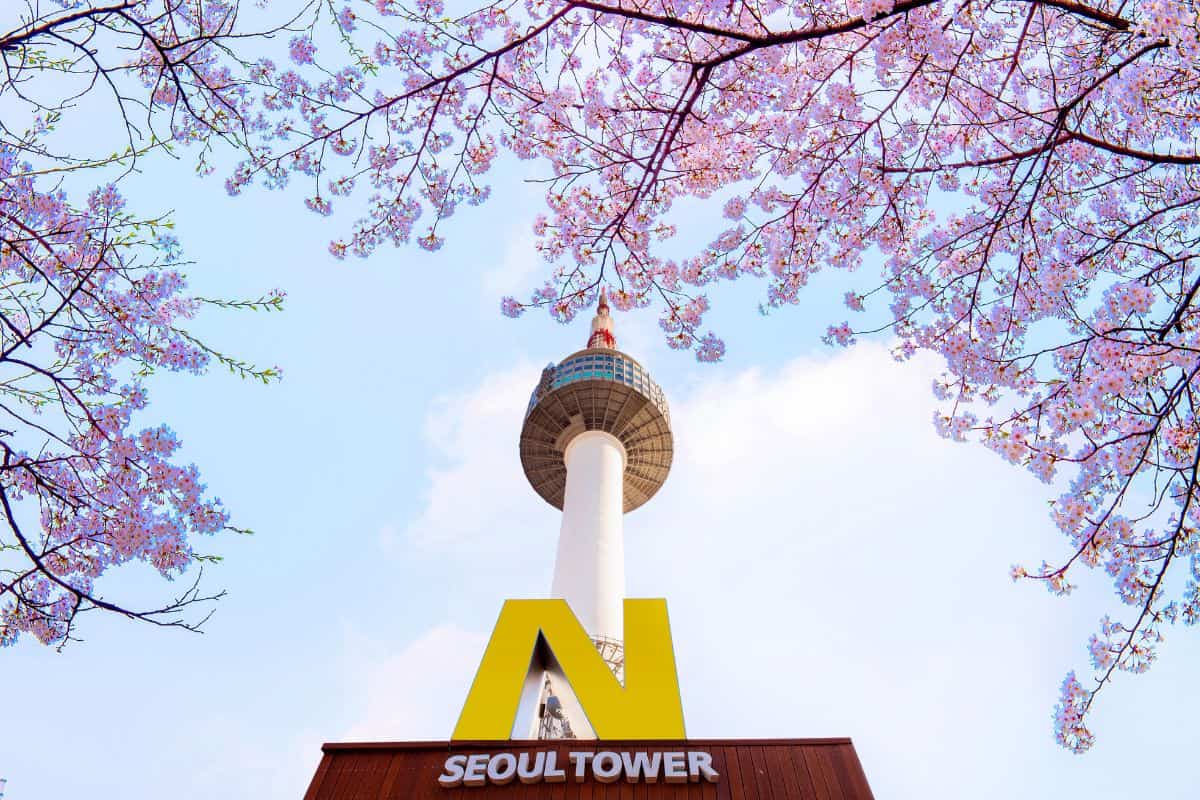
Hike Up to Visit Namsan Tower
Address: 105 Namsangongwon-gil, Yongsan-gu, Seoul, South Korea
Closest Metro: Hoehyeon Station Line 4
Namsan Tower, also known as the N-Seoul Tower, is a famous landmark that offers stunning views of Seoul. Visitors can reach the top of the tower by cable car or on foot, which is an enjoyable hike in nice weather. The observation deck offers panoramic views of the city, making it a perfect spot for photos.
The tower's restaurants serve an array of delicious dishes, from traditional Korean cuisine to international delicacies, making it a great dining experience. Visitors can also enjoy the tower's various activities, such as buying and adding a love lock and attaching it to the tower or visiting the tower's digital gallery.
The tower is especially beautiful at night when it is illuminated, providing a romantic atmosphere for visitors.
Walk Along the Han River
Address: 290 Yeouidong-ro, Yeouido-dong, Yeongdeungpo-gu, Seoul, South Korea
Closest Metro: Yeouinaru Station Line 5
The Han River is not just a beautiful landmark in Seoul, but it also divides the city clear in half. Taking a leisurely stroll along the riverbank is a must-do activity for visitors. The river is lined with numerous parks and recreational areas, making it an ideal spot for a picnic or a bike ride in nicer weather.
Visitors can enjoy stunning views of the city skyline and see a different side of Seoul away from the hustle and bustle of the city. One particular attraction is the Banpo Bridge Rainbow Fountain, which is the world's longest bridge fountain.
The fountain puts on a colorful light show every night, and visitors can enjoy the show from the nearby park or on a river cruise.
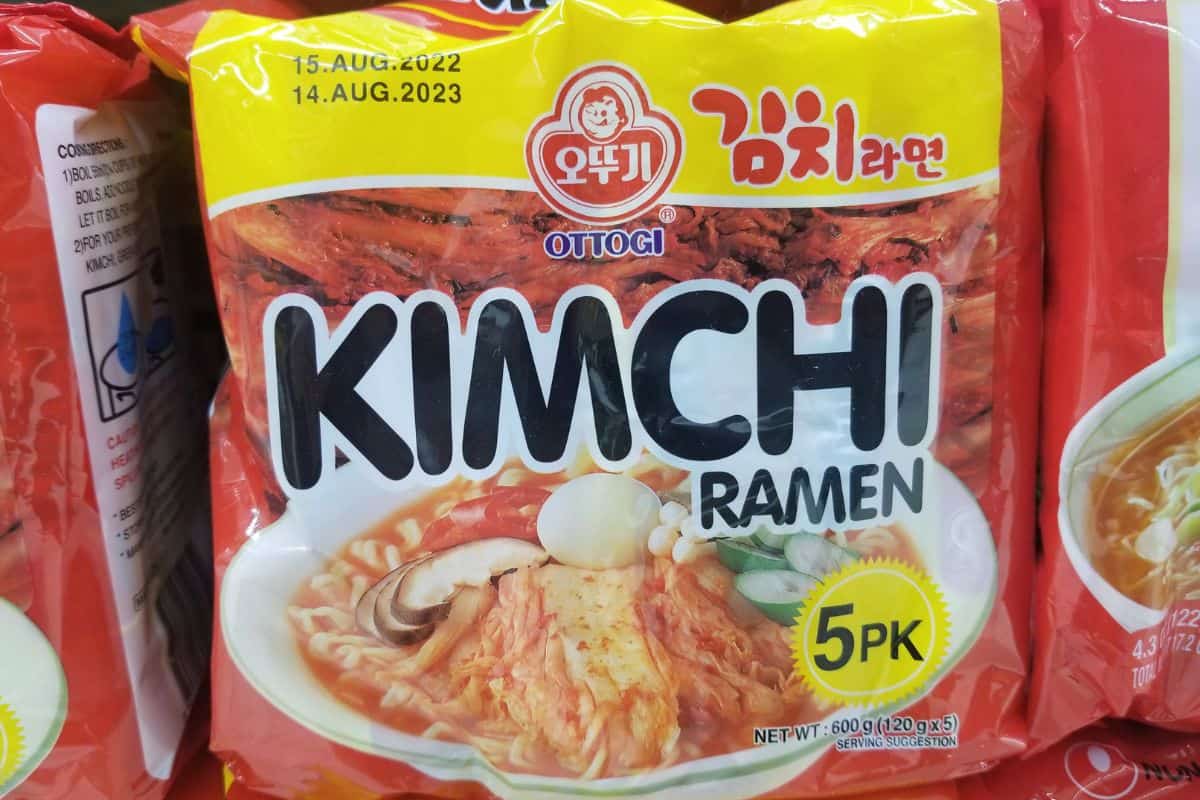
Midnight Convenience Store Noodles
If you find yourself hungry in the middle of the night, don't worry - Seoul's convenience stores are almost all open 24 hours a day. Visitors can even purchase liquor and instant noodle cups and prepare them in the store's microwave, then eat them at the benches outside (& occasionally inside).
It's a fun and convenient way to satisfy your cravings no matter the hour, and have a quite typical Korean late-night experience.
Pub Crawl with Other Foreigners
A pub crawl with other foreigners is a fun and exciting way to experience Seoul's vibrant nightlife scene. There are several companies that offer pub crawl tours, taking visitors to some of the city's best bars and clubs.
When I was a teacher I met a ton of foreigners working at private schools who would run these tours on the side. It's a great way to meet new people, experience the city's nightlife, and have a fun night out in a safe and organized way.
Walking Food Tour in a Seoul Night Market
A walking food tour through a Seoul night market with a local guide is a great way to experience the city's vibrant food scene. You'll get to try a variety of delicious Korean dishes and learn about the history and culture behind them. It's also a fun way to explore the city and get to know the local culture.
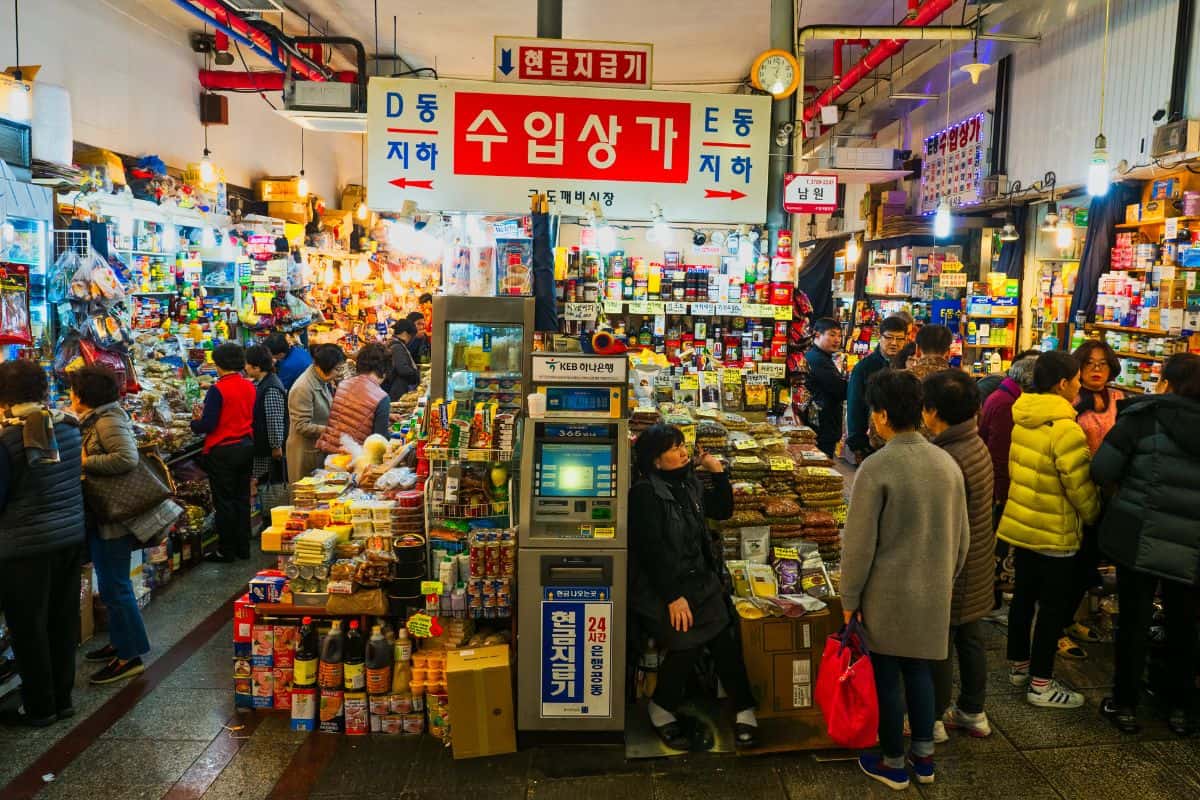
🏕️ Nature Attractions in Seoul
Seoul Botanical Garden
Season: Spring
Opening Hours: open daily; 9:00 AM to 6:00 PM
Location: 812 Magok-dong, Gangseo-gu, Seoul; Magoknaru Station (Line 9, Exit 3 or 4)
Estimated Cost: Adults: ₩5,000; Students: ₩3,000; Children: ₩2,000; Free for children under 6 or senior citizens
Another way to get to know Seoul is to come to this beautiful greenhouse, which is connected to the Han River Waterway. A skywalk path overlooks the greenhouse, so your photographer skills will definitely come in handy.
With paths wide enough to let you walk and enjoy the flowers in peace, this garden also educates those who are particularly interested in native Korean flowers.
Explore Ancient Buddhist Culture at Bongeunsa Temple
Address: 531 Bongeunsa-ro, Gangnam-gu, Seoul, South Korea
Closest Metro: Bongeunsa Station Line 9
Bongeunsa Temple is a Buddhist temple in Seoul that was originally built in the 10th century. It was rebuilt in the 18th century, and is now known for its beautiful architecture and tranquil atmosphere. Visitors can take a tour of the temple and learn about its history and significance in Korean Buddhism.
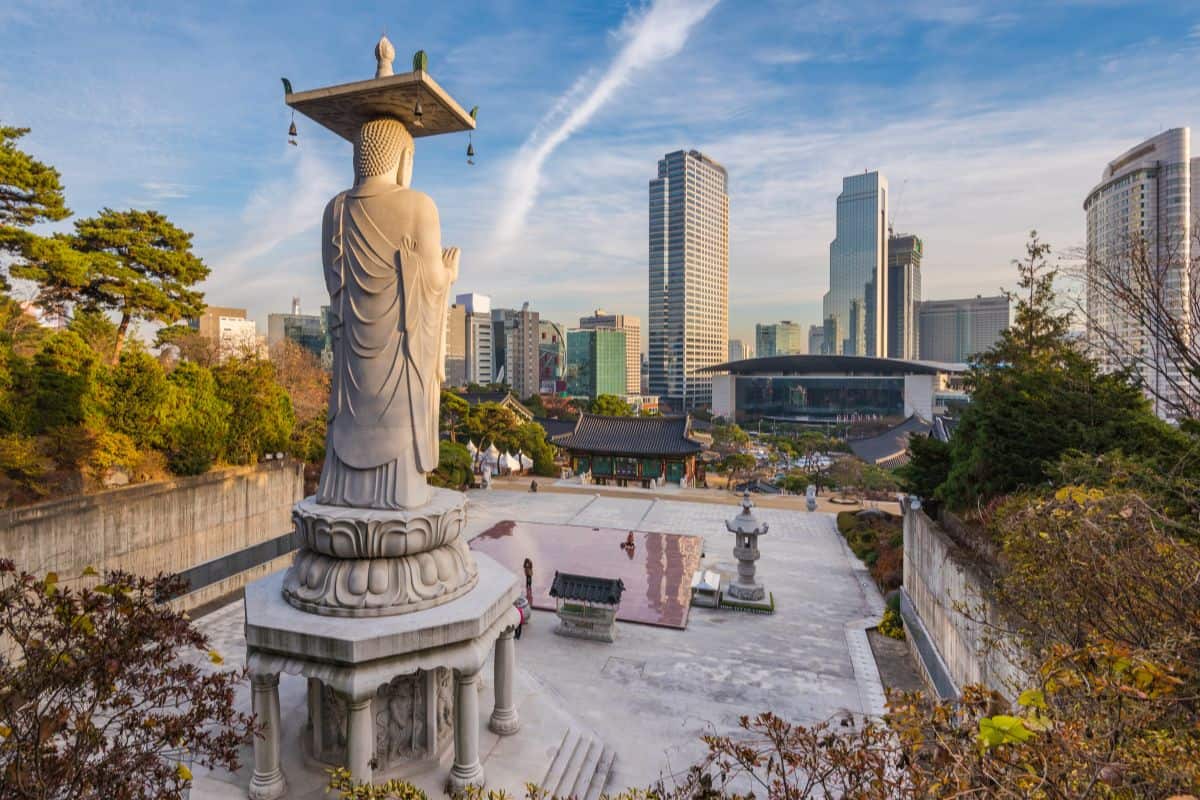
Stroll Through Seoul Forest
Address: 273 Ttukseom-ro, Seongdong-gu, Seoul, South Korea
Closest Metro: Seoul-Forest Station Suin Bundand Line
Seoul Forest is a large urban park located in the heart of the city, offering visitors a respite from the hustle and bustle of the city. The park features numerous walking paths, bike trails, and outdoor art installations, making it an ideal destination for nature lovers and outdoor enthusiasts.
Visitors can also enjoy the various gardens, fountains, and wildlife habitats, including a butterfly garden and a deer park. Particularly in warmer weather, Seoul Forest is an excellent place to relax and unwind with a picnic or on a walk, providing visitors with a serene environment in central Seoul.
Giant Golden Buddha Temple
Address: 262 Bogungmun-ro, Seongbuk-gu, Seoul, South Korea
Closest Metro: Bukhansan Ui Station UI-Sinseol
If you're looking for a peaceful and serene place to visit in Seoul, Gungnyeongsa Temple is a great option. The temple is home to an impressive golden statue of Buddha, which is one of the largest in the world. Visitors can take in the beauty of the statue and surrounding landscape while enjoying a moment of tranquility.
Hike at Gwanaksan Mountain
Address: Gwanaksan, Seoul, South Korea
Closest Metro: Gwanaksan Station (Seoul National Univ.)
Gwanaksan Mountain is a must-visit destination for hikers and nature lovers in Seoul. It's a challenging hike, but the panoramic views of the city from the top are well worth the effort. The mountain is also home to several Buddhist temples and shrines, adding to the cultural significance of and your experience in the area.
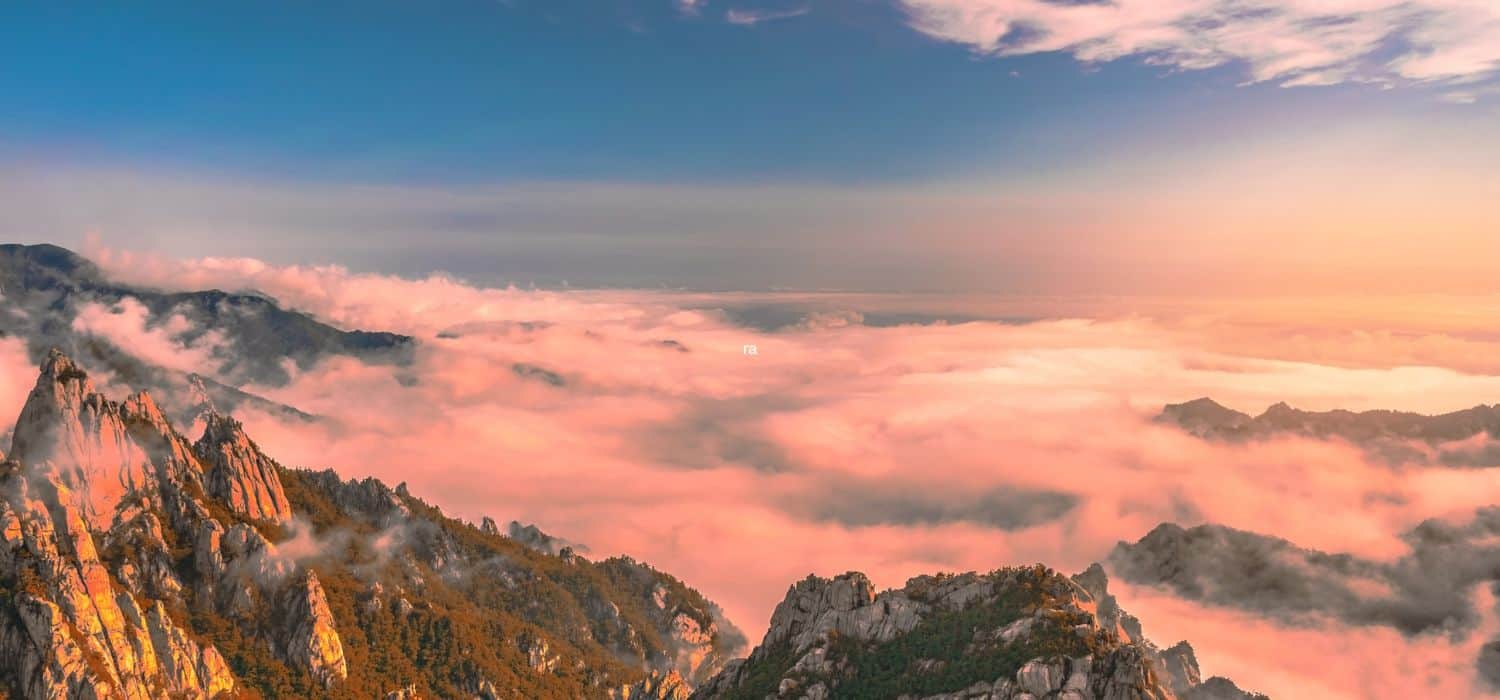
Visit Hwaseong Fortress
Address: South Korea, Gyeonggi-do, Suwon-si, Jangan-gu, Yeonghwadong 320-2
Closest Metro: Hwaseo Station Line 1
Hwaseong Fortress is a UNESCO World Heritage Site and is located in Suwon, a city next to Seoul. The fortress was built in the late 18th century and features several impressive gates, pavilions, and towers that make for some truly cool photos & memories.
Visitors can even take a tour of the fortress and learn about its history and significance in Korean history.
Enjoy the Pink Muhly Grass at Haneul Park
Address: 95, Haneulgongwon-ro, Mapo-gu, Seoul
Closest Metro: Digital Media City Station Gyeogui Jungang Line
Haneul Park near Olympic Stadium is a must-visit destination for nature lovers. The park is known for its fluffy pink muhly grass, which blooms in the fall and creates a vibrant pink landscape which is popular for both selfies and family photos in Korea.
Walking through the park is a peaceful and relaxing experience, and you can take in the breathtaking views of the city while you do it.
Photoshoot with Cherry Blossoms in Bloom
Cherry blossom season is a magical time in Seoul, from mid-to-late March into early April. There are many parks and gardens throughout the city that are filled with cherry blossoms during peak bloom.
This is an excellent opportunity to take stunning photos, and enjoy all the traditional Korean foods, drinks, and entertainment at the many cherry blossom festivals going on in Seoul through out the season. Some of the best places to see cherry blossoms in Seoul include Yeouido Park, Seokchon Lake, and Namsan Park.
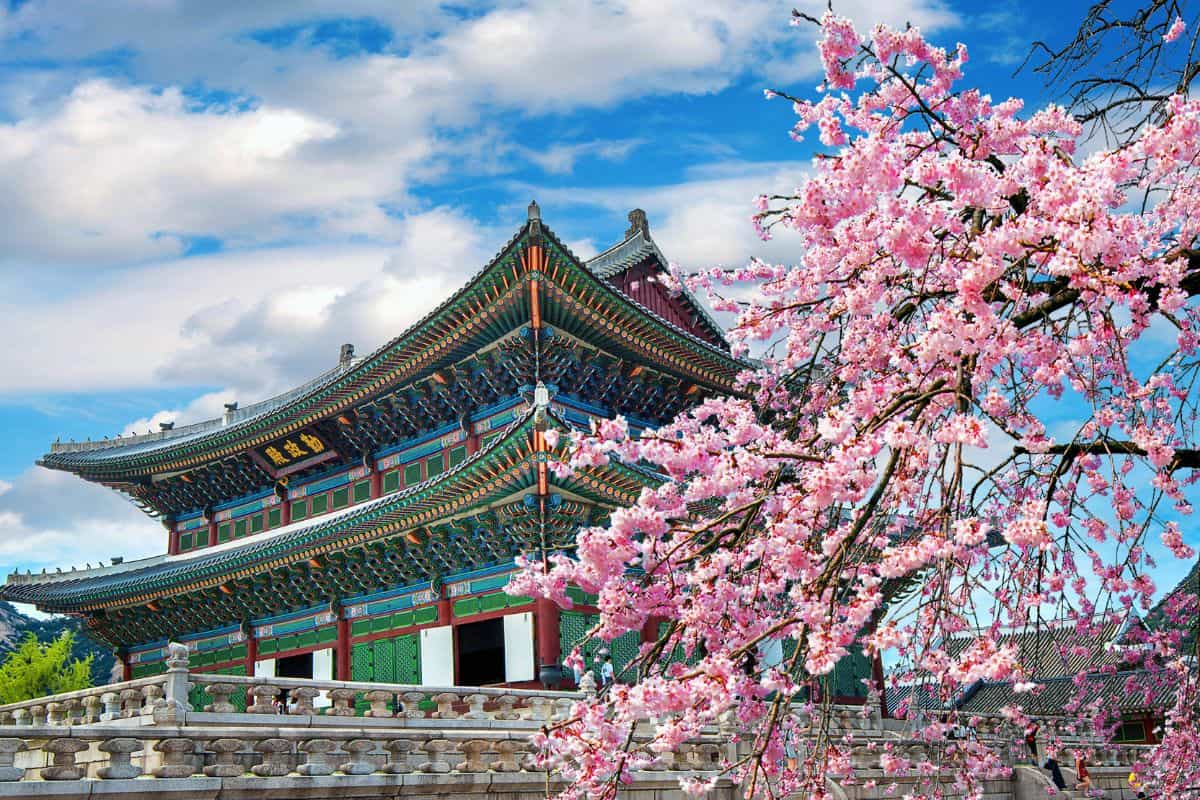
Visit the Seoul Fortress
Address: Jongno-gu, Seoul, South Korea
Closest Metro: Hansung Univ. Station Line 4
The Seoul Fortress, also known as the Wall of Seoul, is a historic wall that surrounds the city's central district The Fortress is now a historical landmark that offers visitors a glimpse into Seoul's past. It was built to protect the city during the Joseon Dynasty in the 14th century and has stood for centuries.
Visitors can walk along the fortress and explore its four gates, including the iconic Namdaemun Gate. The fortress is also surrounded by charming neighborhoods, including Bukchon Hanok Village, which features traditional Korean houses, and the trendy Samcheong-dong area.
Take a Hike at Bukhansan National Park
Address: 262 Bogungmun-ro, Seongbuk-gu, Seoul, South Korea
Closest Metro: Bukhansan Ui Station UI-Sinseol
Bukhansan National Park is a stunning natural wonder located just outside the city of Seoul. The park features a vast network of more than 80 hiking trails that range from easy to challenging, offering a range of options for hikers of all levels.
The park's beautiful landscapes include lush forests, stunning waterfalls, and granite peaks, making it a photographer's paradise. The views of the cityscape are also nothing to scoff at. In Bukhansan, visitors can also encounter various wildlife, such as the Korean musk deer, spotted deer, and wild boar, among others.
Bukhansan is also home to many cultural sites, including Buddhist temples and traditional Korean houses, adding to the visitor's overall experience.
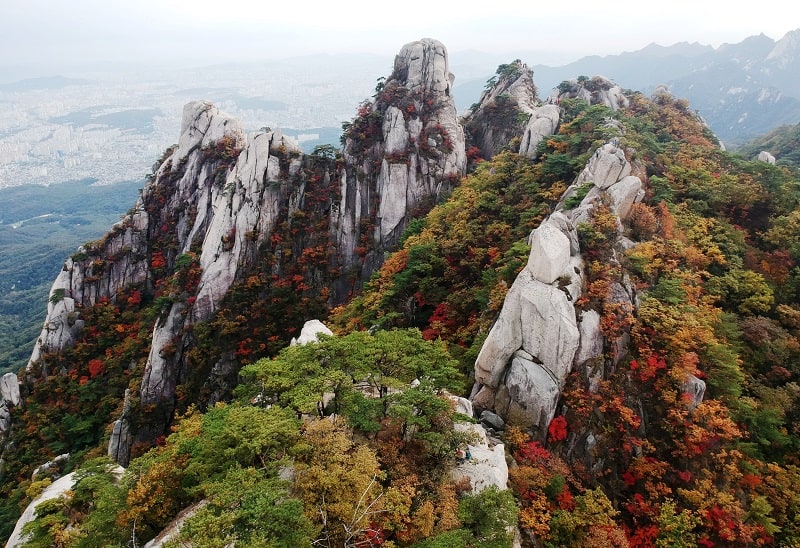
🌧️ Indoor Things to Do in Seoul When it Rains
Check Out a Book from Starfield Library
Address: South Korea, Seoul, Gangnam-gu, Yeongdong-daero, 513 Starfield CoEx Mall B1
Closest Metro: Samseong Station Line 2
Starfield Library is a stunning public library located in COEX Mall. The library is designed to resemble a giant bookshelf, and it houses over 50,000 books and magazines in multiple languages. Visitors can browse and read the books for free, making it a great spot for book lovers and those looking for a quiet place to relax.
Visit the Seoul Arts Center
Address: 2406 Nambusunhwan-ro, Seocho-gu, Seoul, South Korea
Closest Metro: Nambu Bus Terminal Station Line 3
Seoul Arts Center is a must-visit destination for anyone interested in culture and the arts. It's one of the largest and most prestigious cultural complexes in Korea and hosts a wide variety of performances and exhibitions throughout the year, so there's always something to see.
Visitors can enjoy classical music concerts, ballets, operas, and theater productions, as well as explore the art galleries, sculpture park, and the library.
Go to the Casino
Address: Seven Luck Casino, Gangnam COEX: South Korea, Seoul, Gangnam-gu, Teheran-ro 87-gil, 58 Convention 별관
Closest Metro: Bongeunsa Station Line 9
If you're feeling lucky, why not try your hand at one of Seoul's casinos? While gambling is illegal for Koreans, foreigners can enjoy a variety of casino games in Seoul. The casinos are located in some of the city's most luxurious hotels and offer all the usual games, including blackjack, roulette, and baccarat.
Movie at the Luxury Cinema
Address: Lotte Cinema at Seoul National Univ. (1820 Nambusunhwan-ro, Yeongnyongdong Gwanak-gu, Seoul, South Korea)
Closest Metro: Seoul Nat'l Univ. Station Line 2
If you're a movie lover, you won't want to miss the luxury cinemas in Seoul. These cinemas offer a unique movie-going experience, with comfortable seating, high-quality sound systems, and VIP service. It's the perfect way to relax in the city and escape into a good film.
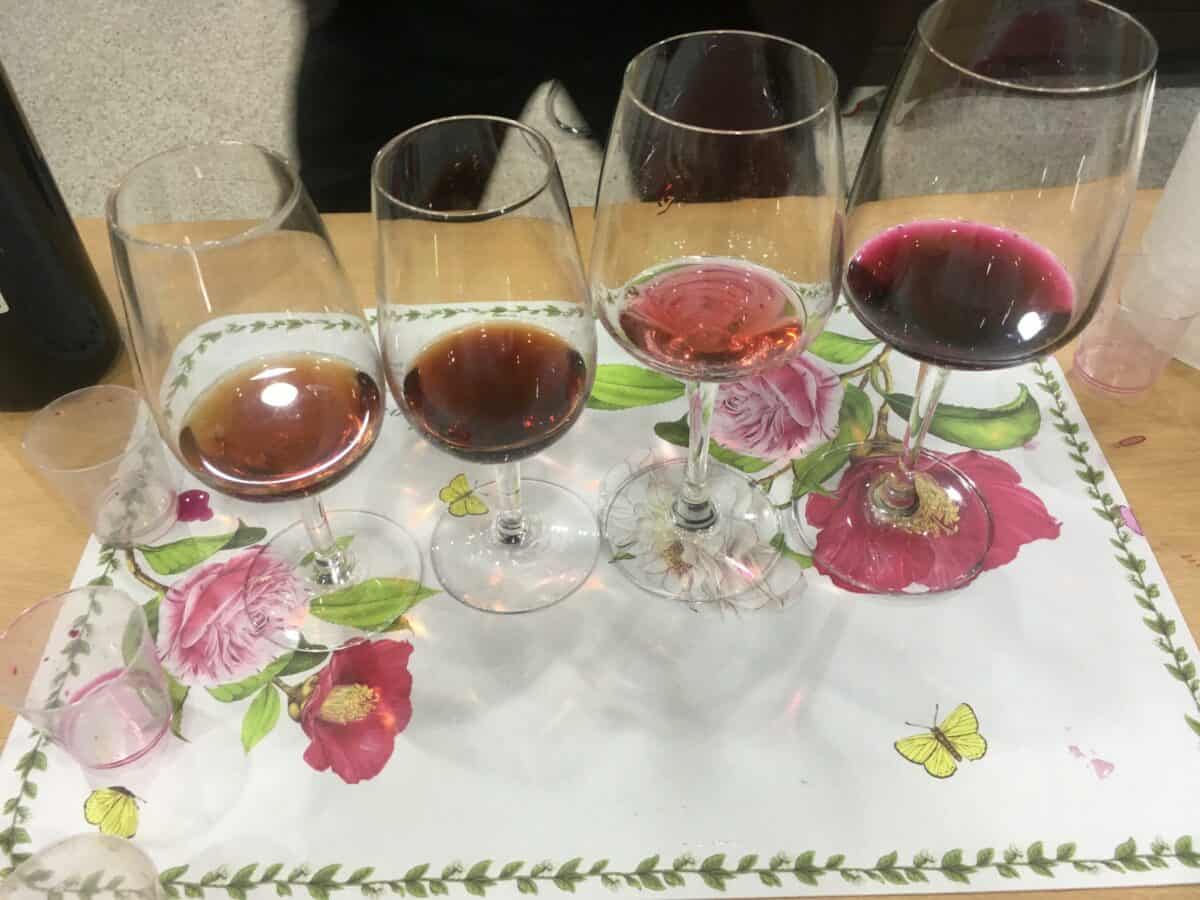
Take the Wine Train to Korean Wine Country
Closest Metro: Seoul Station (Start/End location of Tour)
Did you know that Korea produces some pretty decent wines? The Seoul wine train is a great way to explore the vineyards and wineries of Korea in a whole-day affair that takes you down to four stops further south, including Wine Korea Winery.
Visitors can take a scenic train ride through the countryside and sample some of Korea's finest wines, and on the way back enjoy a move or two with all-you-can-drink wines.
Visit a Traditional Korean Spa (Jimjilbang)
Address: Riverside Spa Land (45 Guuigangbyeon-ro, Gwangjin-gu, Seoul, South Korea)
Closest Metro: Gangbyeon Station Line 2
Visiting a traditional Korean spa, known locally as a jimjilbang, is a unique and relaxing experience that's hard to find outside of Korea. Jimjilbangs offer a variety of hot and cold baths, saunas, and steam rooms, where you can unwind and rejuvenate your body and mind.
They also offer free storage for your stuff, and various massage and beauty treatments, making it a perfect place to spend an afternoon or evening. Just note that treatment areas are almost exclusively divided by gender, as most of the rooms require you to be completely naked.
One of the most popular and iconic jjimjilbangs in Seoul is Dragon Hill Spa, which features a large selection of baths, saunas, and even an indoor water park. Most places will allow you to sleep there overnight for an additional fee, but entrance can cost you as little as 8,000KRW per person, with higher-end establishments charging 20,000-25,000 KRW.
Buy Korean Cosmetics
Address: Etude House in Mapo-gu & Olive Young in Jung-gu are marked on the map below
Closest Metro: Etude House (Hongik Univ. Station Line 2); Olive Young (Myeongdong Station Line 4)
If you're a beauty enthusiast, then you have to check out Etude House or Olive Young in Seoul. These stores offer some of the best-rated and most highly-reputed cosmetics in the world, most of which are made right there in Korea.
Korean cosmetics are famous for their high quality and affordable prices, and you can find a range of skincare and makeup products here. From sheet masks and acne patches to cleansers and BB creams, you'll be spoilt for choice.
🌟 Things to Do in Seoul for Free
While it is true that Korea’s capital is one of the most expensive destinations in the world, there are still ways to enjoy Seoul for free!
Banpo Bridge Moonlight Rainbow Fountain
Season: rainbows appear from April-October
Operating Hours: 7:00 PM until 9:30 PM
Location: Samgakji Station (Line 6, Exit 13), walk to the War Memorial Station (전쟁기념관 정류장 (03185), then ride bus 740 to Banpo Hangang Park – Sevit Island (반포한강공원.세빛섬)
Estimated Cost: free (Night Market: ₩-₩₩)
Among the Seoul attractions listed here, this one is definitely worth seeing at night. Not only do you get to see the longest LED fountain in the world, but if you’re here in summer, there’s a high chance that you’ll come on a day that the Bamdokkaebi Night Market is in full swing.
Sometimes there’s even a fireworks show painting the sky above the Han River, livening the whole place up. If you’re curious about what else there is to do in Banpo Bridge, there’s a cruise, a club, and even a beer garden that serves beer from all over the world.
Oil Tank Culture Park
Season: Open daily, but the exhibition hall is closed on Mondays
Operating Hours: 10:00 AM to 6:00 PM
Location: 87 Jeungsan-ro, Mapo-gu, Seoul; World Cup Stadium Station (Line 6), Exit 2
Estimated Cost: Free
This cultural hub features something you probably wouldn’t expect to see in downtown Seoul: Oil Tanks. You should come see it in person if you think I’m kidding. These oil tanks are repurposed to hold free concerts, exhibitions, and even host conventions.
Even when nothing special is going on, you can pass a few hours exploring the area’s secret corners or finding the library above a café. We recommend this place if you want to see something strange, weird, and new.
Seoullo 7017 Nature Walkway
Season: Spring
Operating Hours: Open 24 hours
Location: 122-14 Bongnaedong 2(i)-ga, Jung-gu, Seoul; Seoul Station (Line 1), Exit 2
Estimated Cost: free
Head out of Seoul Station and you’ll see the Seoullo 7017 Nature Walkway. What used to be an ordinary pedestrian walkway has been transformed into a sky garden, with a variety of flora and fauna that are truly gorgeous during spring.
First-timers to Seoul’s nature focus will love taking pictures here, because the walkway has transparent glass potholes that provide a clear view of the busy Seoul streets below.
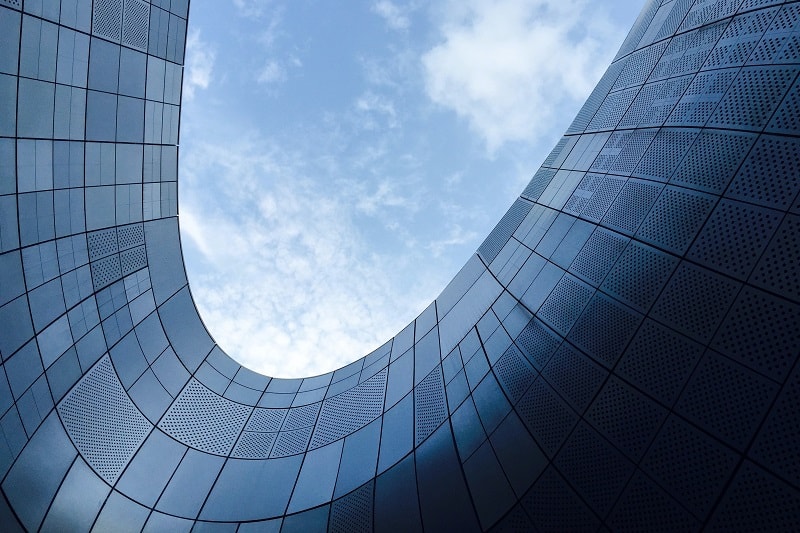
Explore Dongdaemun Design Plaza
Season: best at night
Operating Hours: 10:00AM to 8:00PM
Location: Dongdaemun History and Culture Park Station (Line 2, 4, & 5; Exit 1)
Estimated Cost: free; (Night Market: ₩-₩₩)
What’s beautiful about this place is how many things it’s hosting at once. People who come during the day can enjoy the outdoor facilities, museum, and library with a decent-sized reading area. But the magic happens at night, when the whole structure lights up, turning into a neo-futuristic wonder that glows beautifully from afar.
Past 10PM, the outdoor walk turns into a marketplace where people gather to buy the latest clothing styles (because Dongdaemun is also known as Seoul’s fashion hub by the youth). Expect the place to be packed, because this is also where people come to eat, rest, and play after work.
Take a Seoul Free Walking Tour
Season: Spring & Fall are notoriously lovely
Operating Hours: varies
Location: Depends
Estimated Cost: Free, but if spending occurs, it’s usually not that expensive because the guides will tell you where the cheap stuff is.
If you love joining free walking tours around the world, you should visit Today’s Friend’s website and click on their “Free Walking Tour.” This site pairs you with an English-speaking Korean guide, and you can choose where you want to go.
Perhaps you might want to go to a Traditional Market during the day or night, or you’d love to see Dongdaemun’s beautiful view with a special someone. All of these are options; you can even do a temple visit and have beer with your new friends after.
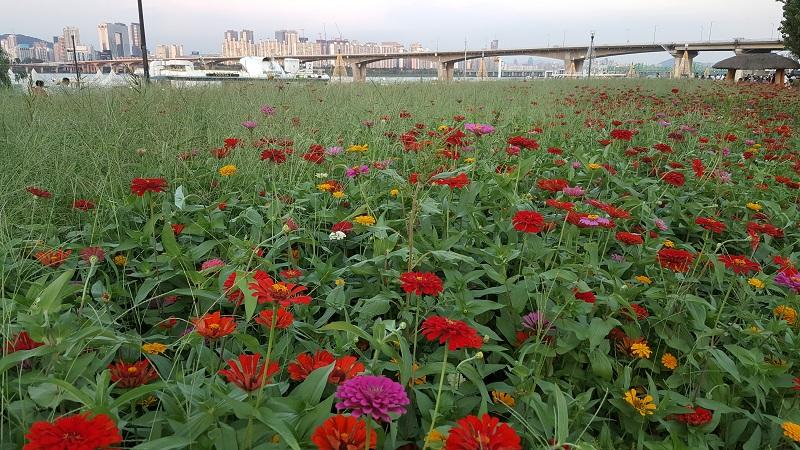
Hop on the Seoul City Tour Bus
Season: year-round
Operating Hours: Tiger Bus starts at 9:00 AM to 5:20 PM [Day Course] and 7:30 PM [Night Course] (closed Mondays & holidays)
Location: Gwanghwamun Station (Line 5, Exit 6) for the City Palace Course, Seoul Panorama Course, and Night View Course
Estimated Cost: Free if you have a Discover Seoul Pass; prices vary depending on the course chosen in the Seoul City Tour Bus website
If you don’t feel like making your own itinerary, this is the best way to hit famous tourist spots in downtown Seoul. The Seoul City Tour Bus passes by the City Palaces and the best panoramic views in Seoul. You can get on and off as much as you want, crossing off a lot of things to do in Seoul.
The routes depend on the bus tours available on their website, and there’s also other buses with almost-similar rates that have focused more on traditional spots near the Han River, Gangnam area, or the spectacular night views available in Seoul.
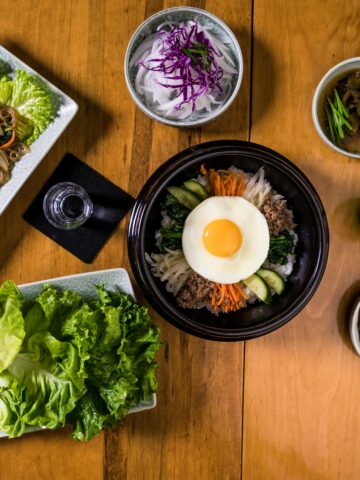
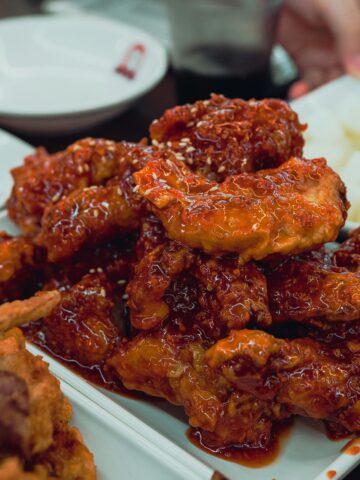
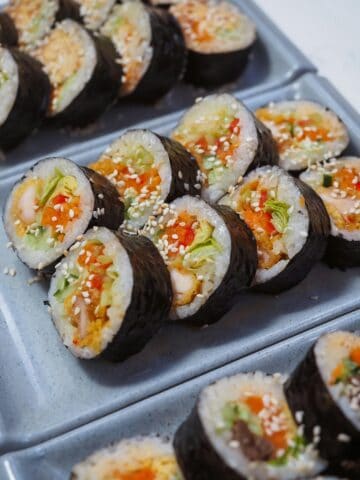
Cocho says
There are so many more things to do than I thought thnak you
Max says
You're very welcome, Cocho! I hope you found a small group of things to add to your to-do list. 🙂